

Reviewed · MUSEUMS
Irish Famine Museum / Exhibition Dublin
If you want a focused, human-scale way to understand the Irish Potato Famine, this exhibition in Dublin is one of the easiest stops you can slot into a busy day. It tells the story of the Great Hunger through period items, photos, and a short documentary, all set right near St. Stephen’s Green.
I especially like the self-guided pace, so you can linger where your eye catches something. I also like that the museum keeps the experience practical, with a 15-minute film and supporting visuals, rather than asking you to sit through long presentations.
One possible drawback to plan for: this is a small temporary setup inside a shopping centre, so the film area can feel warm and there is a lot of reading on posters.
Key highlights at a glance
- Self-guided, one-hour visit so you control the pace
- Mobile ticket and advance admission help you skip entrance lines
- A short documentary plus exhibition materials for multiple ways in
- Rare aerial views of St Stephen’s Green that connect history to a familiar place
- Period artefacts like an original soup pot, plus 19th-century photos and newspapers
- Multilingual translation guide available in French, German, Italian, and Spanish
Irish Famine Museum in Dublin: what it is, and why it’s worth your time

The Irish Famine Museum and Exhibition Dublin is basically a compact, thought-provoking walk through the story of the potato famine, also known as the Great Hunger. Instead of an all-day museum marathon, you get about one hour to take in the displays at your own rhythm.
The setting matters. You start at St Stephen’s Green Shopping Centre, near St. Stephen’s Green itself, which is a great location for pairing this with a broader Dublin day. You finish back where you started, so it feels easy and contained. That matters if you are traveling with kids, or if you do not want your sightseeing day to turn into a long, complicated schedule.
The experience has one clear goal: help you understand what happened during the famine, and how choices and delays can turn an agricultural crisis into a disaster. Several people found it emotionally affecting, and that is part of its value. This is not just facts on a page. It is designed to make you think.
More Museums in Dublin
- Irish Rock ‘N’ Roll Museum Experience Dublin
★ 5.0 · 6,112 reviews - The Little Museum of Dublin Famous Guided Tour
★ 5.0 · 2,948 reviews - Dublin EPIC Museum Admission Ticket
★ 4.5 · 1,729 reviews
Location and getting started at St Stephen’s Green Shopping Centre
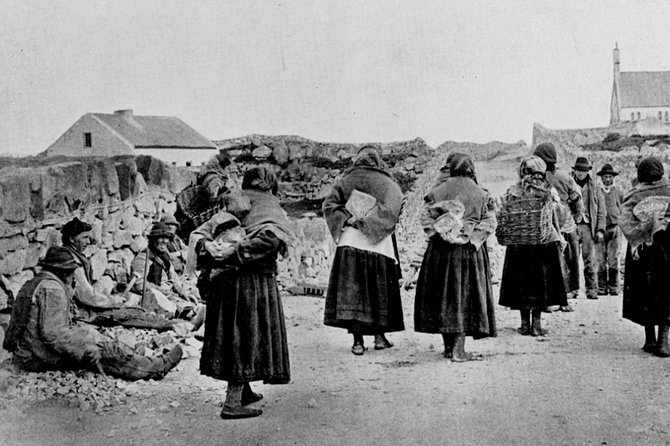
The meeting point is at Stephen’s Green Shopping Centre, St Stephen’s Green, Dublin (D02 HX65). It is also near public transportation, so you can reach it without a car plan.
Two practical tips that make your visit smoother:
- Give yourself a little buffer. Even though this is self-guided, you will want time to find the right entrance area and settle in.
- If you are sensitive to indoor temperature swings, consider wearing layers. One review flagged that the room where the film plays can run hot.
This stop is also a good fit if you like walking in the city. You are already in one of Dublin’s central areas, which makes it simpler to connect with nearby cafés and streets afterward.
How the 1-hour self-guided format works in real life
This is a self-guided tour, so there is no group herding you from room to room. You are given admission, then you explore the exhibition spaces on your own.
That format is a plus for many people. You can:
- Read slowly if you want the details
- Skim if you are short on time
- Watch the short documentary when it fits your energy
A key thing to understand upfront: this exhibition uses a lot of visual material and text on posters. If you are not a fan of reading indoors, you might find it feels more like a “pop-up” museum setup than a hands-on science centre.
On the positive side, several visitors felt the museum kept the story clear and direct, in simple facts. That is a real strength, especially when a topic can feel overwhelming.
Inside the exhibition: what you’ll actually see at the Irish Potato Famine displays
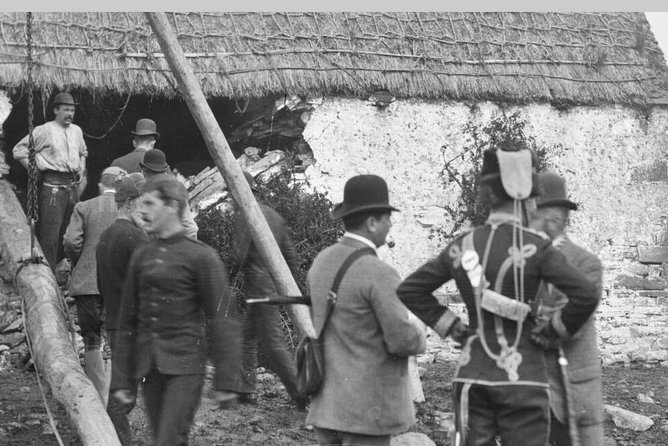
There is a single main stop, and the exhibition wraps that story into a compact walk. You will encounter:
- Museum artefacts and display items
- Historical newspapers and 19th-century photos
- A short documentary film
- Exhibition material that supports the bigger narrative about the Great Hunger and its impact
One of the items that came up as especially memorable is an original soup pot. That kind of object matters. It turns a tragic story into something concrete. It is easier to understand suffering when you are staring at a real, physical piece of the past.
You are also looking at how the famine was shaped by political decisions and by slow disaster response to an agricultural crisis. You might not leave with every detail in your head, but you should leave with a clearer cause and effect chain, and a better sense of why the famine drove emigration.
One review specifically referenced the shock of learning that about five million people were affected enough to leave Ireland. Even if those numbers are not your focus, the exhibit is built to help you understand why the famine became such a turning point for the country.
If this is not quite it, Dublin also does these:
- Dublin to Cliffs of Moher, including Wild Atlantic Way and Galway
★ 5.0 · 23,331 reviews - From Dublin: Cliffs of Moher, Burren & Galway City Day Tour
★ 4.8 · 18,888 reviews - Dublin: Guinness Storehouse Entry Ticket
★ 4.6 · 16,863 reviews - Dublin to Cliffs of Moher, Burren, Wild Atlantic Way, Galway Tour
★ 5.0 · 12,924 reviews
The short documentary and the warm film-room reality check
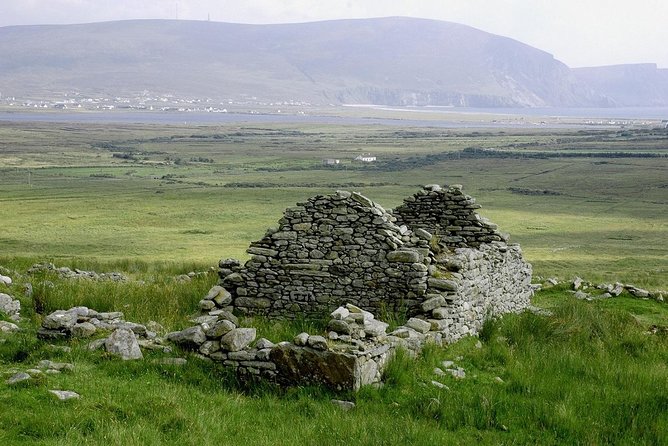
A standout part of the experience is the documentary film, included as part of your ticket. It is about 15 minutes, which is perfect for an hour-long visit.
The film works like a mental reset. After you read and look at artefacts, the short video gives you a smoother storyline. That is often the difference between an exhibit that feels like homework and one that feels like a lived account.
But here is the practical caution. One person noted the environment in the film area was not climate controlled and felt too warm. You cannot change the building, but you can change your response:
- Wear breathable clothes if you can
- Bring a small water bottle if you tend to get warm indoors
- If you get uncomfortable quickly, consider stepping out briefly during the film and returning to catch the ending
This is still a good experience, just plan like it is a temporary space, not a high-tech museum theatre.
Rare aerial views of St Stephen’s Green, and why that detail works
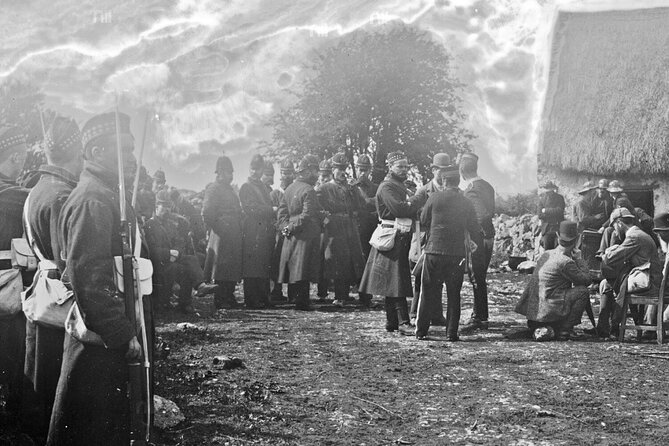
One of the highlights is rare aerial views of St. Stephen’s Green park. That may sound like a side note, but it is actually a smart way to connect the exhibition theme to a place you can picture today.
When history sits far away in time, it can feel abstract. A view tied to a real Dublin landmark helps your brain build a bridge. It is the kind of detail that makes the whole visit feel less like reading about another world, and more like understanding how crises shape real communities over time.
If you are planning photos during your trip, this is a nice “stop and look” moment. You are in the same neighbourhood, and you can carry that image with you after you leave the museum.
Artefacts, newspapers, and the museum’s plain-facts approach
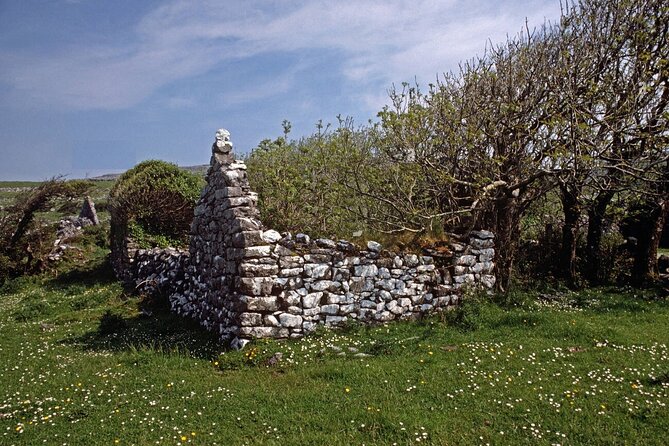
Some exhibitions try to be dramatic. This one takes a different route: it leans on historical material and straightforward storytelling.
Two things I like about that approach:
- Original documents and period items encourage you to slow down and pay attention
- The exhibit uses a lot of images and supporting context, with less reliance on walls of dense text
That design choice is not accidental. If you prefer a quick, clear explanation rather than heavy lectures, you are likely to find it matches your style.
You will also see the exhibit push ideas like the effect of decisions, how delays can worsen outcomes, and why the famine ultimately drove major population movement. It does not require you to be a specialist in Irish history to follow along.
Translation guide and language options that actually help
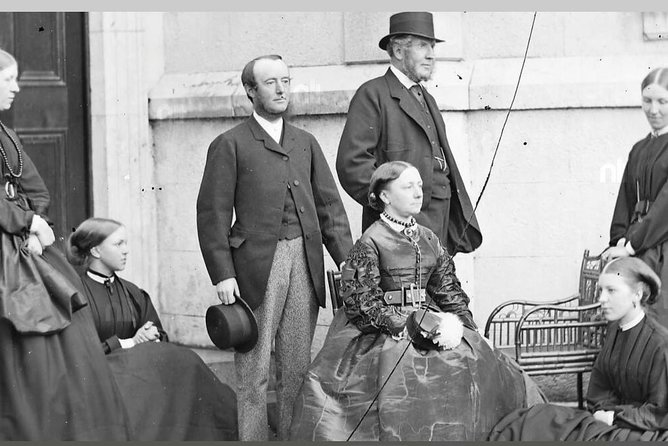
The tour is offered in English, but there is also a translation guide available in:
- French
- German
- Italian
- Spanish
If English is not your first language, this is one of the best kinds of support, because you can still move at your own pace. You do not have to wait for someone else to translate for you.
One practical note: a translation guide is helpful, but this exhibition still includes reading on posters. If you are traveling with family members who have different comfort levels with reading, you might set expectations before you start.
Price and value: is $18.15 for 1 hour a good deal?
At $18.15 per person, this is not a bargain attraction, but it also is not priced like a premium, full-day museum. For many people, the value comes from three things:
- You get admission plus the documentary film included
- You can do it in about one hour, which helps you avoid “wasted time” in your schedule
- You are close to central Dublin, so the location reduces friction
Also, booking ahead matters here. The museum offers skip-the-entrance-lines value through advance admission. One quiet risk of waiting until you arrive is losing that time advantage, especially during peak periods.
For planning, know the museum operates on a seasonal schedule in 2026, running from 04/01/2026 to 09/30/2026, with daily hours 12:00 PM to 6:00 PM.
Finally, the group size cap is listed as a maximum of 90 travelers. Since this is self-guided, you are not likely to feel tightly packed, but the cap is still a reassurance if you hate crowded indoor experiences.
What to expect from the “pop-up” setup, and who it suits best
Let’s talk honestly about the space. Multiple people described it as a pop-up style exhibition, upstairs in a mall, with posters and rooms that you explore on your own.
That kind of setup is perfect if:
- You want a compact, emotional, informative stop
- You like a self-paced museum that you can finish quickly
- You appreciate historical photos and period objects more than big interactive tech
You might want to skip or approach with caution if:
- You strongly dislike reading indoors
- You are uncomfortable with warm rooms
- You expect a guided lecture or hands-on activity
In terms of family visits, the experience allows children as long as they are accompanied by an adult. Service animals are allowed as well, and most travelers can participate.
If you are visiting with kids, I suggest you frame it as a story about how communities survive crises, and then let them choose where to look longer. The exhibit is short enough that you can stop before emotions get too heavy.
Practical planning tips for a smoother visit
Here are the details that tend to make the biggest difference:
- Use the mobile ticket on your phone to enter without extra fuss.
- Plan for about one hour total. If you try to do it in 20 minutes, you will miss the documentary rhythm and the artefact moments.
- If you get hot easily, consider timing the film early in your visit, or take short breaks while you read posters.
- If you want a deeper take, note that an exhibition book can be purchased on site.
Also, if you are trying to connect this to a bigger Dublin itinerary, place it near lunch or an early afternoon slot. It is open from noon to evening, so it fits well into a standard sightseeing day.
Should you book the Irish Famine Museum in Dublin?
I think you should book this if you want a short, focused way to understand the Irish Potato Famine and the Great Hunger, without committing to a long museum day. The combination of a 15-minute documentary, real period objects like an original soup pot, and historical newspaper and photo materials gives you multiple entry points.
Book it especially if you like self-guided experiences where you can go at your own speed and spend extra time where your curiosity pulls you. And if you want to avoid entrance-line stress, advance admission is part of the value.
I would hesitate if you hate reading-heavy displays or you are sensitive to room temperature, since the film area can run warm in a temporary mall-style environment. In that case, you can still enjoy it, but adjust your expectations.
If this topic matters to you, this is one of the more efficient ways to make room for it while you are already in Dublin.
FAQ
How long does the Irish Famine Museum exhibition take?
It’s listed at about 1 hour.
Where does the Irish Famine Museum experience start and end?
It starts at Stephen’s Green Shopping Centre (St Stephen’s Green, Dublin, D02 HX65) and ends back at the same meeting point.
Is this a guided tour or self-guided?
It’s self-guided, so you explore at your own pace.
What ticket type do I receive?
You get a mobile ticket, and admission can be booked in advance to help you skip entrance lines.
What language is the experience offered in?
The experience is offered in English, with a translation guide available in French, German, Italian, and Spanish.
Is there a documentary included?
Yes. The exhibition includes a short documentary film of about 15 minutes.
When is the exhibition open?
From 04/01/2026 to 09/30/2026, daily hours are 12:00 PM to 6:00 PM.
Can children visit, and what is the cancellation policy?
Children must be accompanied by an adult. The experience allows service animals. Cancellation is free up to 24 hours in advance for a full refund.
Newest Dublin reviews
- Dublin: Traditional Pubs Walking Tour with Local Guide★ 4.9 · 112 reviews
- Dublin: Cliffs of Moher, Ennis, & Bunratty Castle Day Tour★ 4.9 · 113 reviews
- Meet and Eat Dublin: Dublin Food Walking Tour★ 5.0 · 115 reviews
- Small Group-Dublin Walking Tours★ 5.0 · 116 reviews
- A Silent Disco Walking Tour★ 5.0 · 118 reviews
- 3-Day Southern Ireland Tour Including Galway and Kerry from Dublin★ 4.5 · 123 reviews
- From Dublin: Wicklow, Glendalough, Waterfall & Sheepdog demo★ 4.5 · 126 reviews
- Dublin: Guinness Storehouse Connoisseur Experience★ 4.8 · 123 reviews
Museums, compared.


The Little Museum of Dublin Famous Guided Tour
Read our review →

Giant’s Causeway with the Titanic Exhibition and the best of Northern Ireland
Read our review →

Irish Whiskey Museum: Whiskey Blending Experience
Read our review →
Irish Whiskey Museum Blending Tour with Tastings
Read our review →Browse the lists this tour appears in