Reviewed · DUBLIN TOURS
The Dublin True Crime Tour
If you like your city tours with a darker angle, this Dublin True Crime Tour is a fun way to read the streets through famous crimes tied to real landmarks. I like the small-group size (max 19), because it helps the storytelling stay clear and personal while you’re moving.
I also like the way the route packs two hours of guided walking into multiple stops across central Dublin, including big hitters like Trinity College Dublin and Dublin Castle. One possible drawback: the tour is clearly about crimes of the past tied to these sites, so if you are only hunting for Victorian-era poison-and-mayhem, you might feel the mix is not exactly your lane.
Key highlights to look for
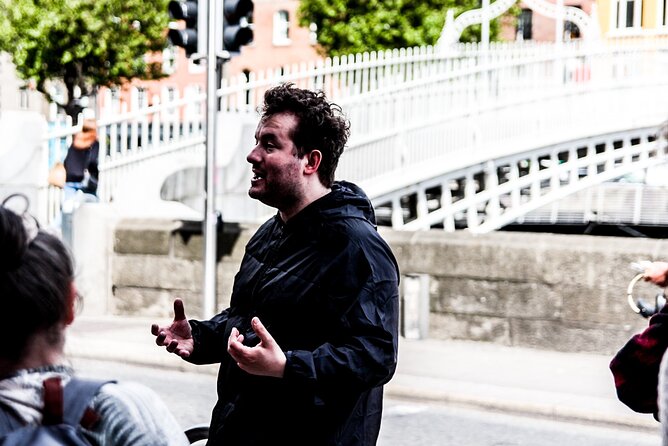
- Small group, capped at 19, so you actually get time for questions as you walk
- A 4:00 pm start with a classic city-center route that fits well into an evening plan
- Six landmark stops that connect stories of theft, punishment, crime, and postmortem myths
- Trinity College Dublin and Dublin Castle show how old institutions shaped consequences
- Christ Church Cathedral adds the spooky angle of a famous relic and what happened around it
- Mobile ticket in English, with stops marked as free-entry moments at the listed locations
What you get for $16.90 in Dublin
For $16.90 per person, you are buying a guided walking tour that runs about two hours and covers several neighborhoods and landmarks. That price feels especially fair because you get a structured route, not just a casual stroll with vague directions.
The tour is offered in English, and you use a mobile ticket. It’s also designed for most travelers, with service animals allowed and the route described as near public transportation, which is helpful if you want to stay flexible before or after.
One more practical note: the experience requires good weather. You’ll be walking, so pack for comfort and be ready to adapt if rain or wind changes plans.
Other ways to spend a day in Dublin
- Dublin to Cliffs of Moher, including Wild Atlantic Way and Galway
★ 5.0 · 23,331 reviews - From Dublin: Cliffs of Moher, Burren & Galway City Day Tour
★ 4.8 · 18,888 reviews - Dublin: Guinness Storehouse Entry Ticket
★ 4.6 · 16,863 reviews
The vibe: guided walking that keeps you moving
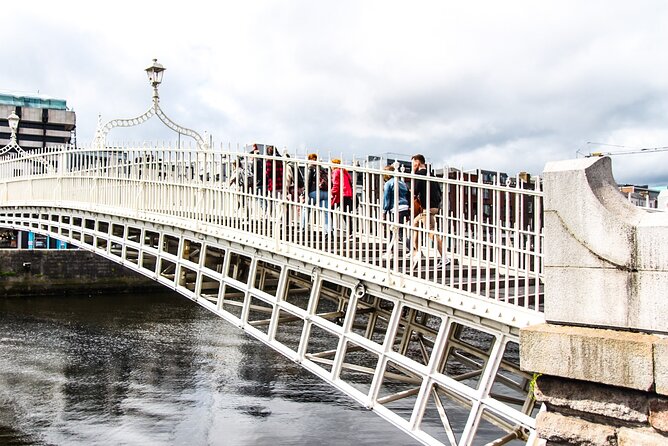
This is not a sit-and-watch tour. It’s built around a steady pace with multiple stops, so you get the effect of moving through Dublin while the stories land at the locations where they belong.
If you enjoy true crime, you’ll likely like the rhythm: short stop, clear story, then onward. The length is long enough to feel like a real experience, but short enough that you can still tack on dinner or a pub stop afterward.
Also, keep your expectations balanced. From what I see in how the tour is described and how it’s experienced, the tone is grim and story-forward, but it’s not a full-on reenactment. It’s more like you’re getting local, place-based storytelling with an emphasis on notorious cases and the consequences.
Bank of Ireland: Ireland’s biggest heist and the tiger kidnapping story
The walk starts at 1 College Green, Temple Bar area, and the first story lands at the Bank of Ireland. This opening stop is a strong hook, because you’re immediately in a place connected to major theft and high-stakes headlines from the past.
What I like about starting here is that the story theme is instantly clear: crime as a shock to the public order. You’re also in a central, recognizable part of Dublin, which makes it easy to orient yourself quickly.
The “biggest heist” angle plus the mention of a tiger kidnapping is exactly the sort of strange twist true crime fans tend to enjoy. Just remember, it’s a short stop, so listen for the core details and don’t worry about catching every background reference on the first pass.
If you want to maximize the experience: stand where the guide can see you and you can see the landmark. Dublin streets can be busy, and clarity matters on a short stop.
Trinity College Dublin: old murders and punishment at a university landmark
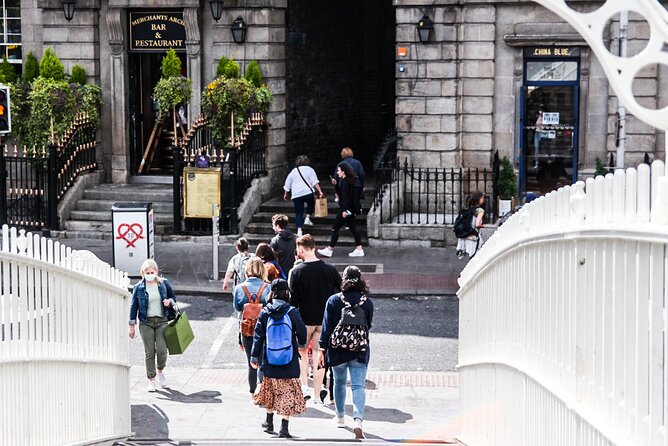
Next up is Trinity College Dublin, one of those places where you can see centuries of Dublin life in the stone and layout. The story focus here is on murders connected to the area and how the punishments played out.
I like the contrast at this stop. The Bank of Ireland gives you crime tied to power and institutions of finance. Trinity shifts the focus toward a major education landmark and the idea that violence and accountability were handled through the legal and social systems of the time.
Because this is a short stop, the best way to enjoy it is to treat it like an opening chapter. Let the guide connect the dots between the landmark and the case, then use what you learn as a prompt to read more later if anything grabs you.
Potential drawback: if you come in expecting a very specific crime era, you might find the selection spreads across different periods rather than sticking to one decade.
If this is not quite it, Dublin also does these:
- Dublin to Cliffs of Moher, Burren, Wild Atlantic Way, Galway Tour
★ 5.0 · 12,924 reviews - Dublin to Belfast Black Cab, Dunluce Castle and Giant’s Causeway
★ 5.0 · 7,954 reviews - Kilkenny, Wicklow Mountains & Glendalough Day Tour from Dublin
★ 5.0 · 7,897 reviews - From Dublin: Wicklow Mountains, Glendalough & Kilkenny Tour
★ 4.8 · 6,235 reviews
Molly Malone Statue: graverobbers and courtesans in 18th century Dublin
At the Molly Malone Statue, the tone shifts toward 18th century Dublin, with a story blend that mentions graverobbers and courtesans. This is a great stop for people who like darker social history, not just violence.
What makes this stop work is that it uses a beloved Dublin figure and statue space as a jumping-off point for something unsettling. The city becomes two things at once: familiar tourist imagery on the surface, and complicated crime-linked livelihoods underneath.
You’ll likely spend about 15 minutes here, which gives enough time for a more grounded explanation than the shorter landmark stops. If the guide asks for a quick bit of attention to detail at the statue or nearby, go with it, since small cues are often where the story makes sense.
Tip: If you want better photos, do that quickly before the story builds, so you are not rushing at the moment the guide is pointing out the most interesting part.
Dublin Castle: the Irish Crown Jewels heist and what punishment looked like
At Dublin Castle, the tour moves into another heavyweight location. The story centers on the Irish Crown Jewels Heist, plus how punishments were handled from such an infamous spot.
This stop gives you something important that pure true crime content often skips: consequences. The mention of different types of punishment matters because it reframes the crime. Instead of focusing only on how a theft happened, it focuses on how authorities responded and how public fear and justice were staged.
Also, Dublin Castle is a landmark where you can feel the government-and-order angle. Even if you do not know the finer details of the case ahead of time, you’ll likely understand the logic: crime happened, and the state made an example.
This is also one of the stops where you may learn something you didn’t expect from a walk. When crime stories get tied to famous power centers, you start noticing how the city layout supports the narrative of authority.
Dubh Linn Gardens: Veronica Guerin memorial and the Chester Beatty twist
In Dubh Linn Gardens, the tour highlights a Veronica Guerin memorial, and then adds another thread connected to a “sneaky curator” tied to Chester Beatty. This is a nice way to balance old crimes with a storyline that reaches closer to modern Dublin memory.
I like this stop because it breaks the pattern a bit. The earlier landmarks lean toward historical crimes and punishments. Here, you get a memorial element, which tends to add weight and a more human pulse to the stories.
It’s also one of the stops described with about 10 minutes of time. That’s enough to take in the memorial feeling while still keeping the tour moving. If you tend to get emotional at memorial sites, plan for that, but do not treat it like a long pause. This is still a walking tour format.
Christ Church Cathedral: the Hear of St. Lawrence and postmortem adventures
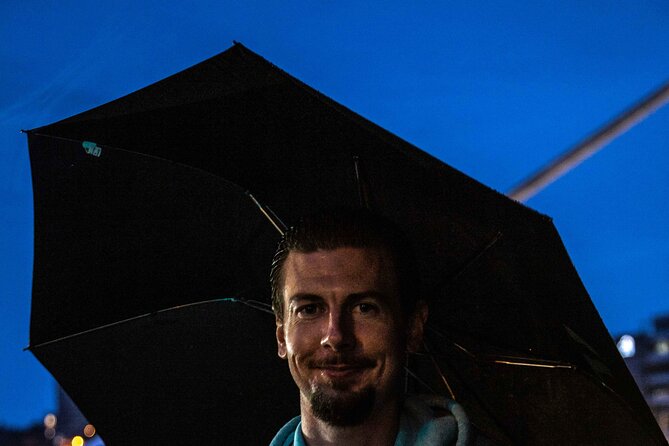
The final landmark stop is Christ Church Cathedral, with a story about the Hear of St. Lawrence and what happened afterward. This is where the tour leans hard into the strange, because relic stories often travel far beyond the event that created them.
For me, this stop is the best reminder that true crime is not only about suspects and court dates. Stories of remains, relics, and what people believed about them can become the “mystery” part of the genre.
You’ll spend about 10 minutes here. Since it’s the last major stop, pay attention to any wrap-up the guide does tying the earlier themes together, like how Dublin’s institutions, rumors, and public spectacle all feed the reputation of these places.
When the tour ends at St Audoen’s Catholic Church on High St, Merchants Quay, you get a finish point that feels different from where you started. It’s a good way to end on the movement of the city instead of returning to the exact same streets.
Small-group energy, and when you might want to adjust expectations
The strongest positive pattern here is simple: a good guide and a small group. When a group is limited to 19, the tour can be paced so you do not feel like one more body in the crowd. You get better clarity, and questions are easier to handle.
The other standout theme is guide engagement. A number of people talk about guides who kept the energy up, were friendly, and stayed responsive. That matters a lot on a story-heavy walking tour, because if the narration loses focus, the whole experience can feel choppy.
There are also a couple of real considerations to keep in mind. Some people experienced issues with a guide’s health on the day, and others mentioned that the storytelling got difficult to follow when the guide seemed distracted. That doesn’t mean the tour is usually like that, but it does mean it helps to be flexible and choose the right mindset.
So, my practical advice is this: go in expecting a place-based true crime walk, not a guaranteed one-style-of-era lecture. You’ll get famous cases tied to famous Dublin landmarks, and the story selection may not match every niche interest.
Who this tour suits best
This tour is a great fit if you:
- Love true crime and want stories connected to specific city locations
- Like a short, structured walking plan instead of trying to self-tour crime sites
- Want a small-group experience that feels more conversational than scripted
- Prefer an evening activity that still fits into a normal day of sightseeing
It may be less ideal if you want an ultra-specific focus, like only one era of crime, or if you struggle with hearing stories in a moving outdoor setting. If you know you have trouble catching audio in street noise, pick a spot near the guide during each stop.
And if you’re a history fan who cares about how institutions and punishment worked, this format works well. It links place to consequence, which is often where the story becomes more memorable than just the crime itself.
Should you book the Dublin True Crime Tour?
I’d book it if you want a low-cost, guided way to see central Dublin while learning the darker side of the city’s past. The $16.90 price for a two-hour guided walking route, plus a small cap of 19, is good value. You also hit major landmarks like Trinity College Dublin and Dublin Castle without the tour feeling like a lecture.
I’d skip or rethink if you only want a very narrow type of true crime, like strictly Victorian-era violence and poisonings. The route is built around multiple landmark-linked cases, so the mix is broader than that.
If you’re deciding last minute, check the weather. Since the experience depends on good weather, a clear evening makes it much more enjoyable. When the day is kind and the group stays small, this is the kind of tour that turns normal Dublin streets into a story you can walk through.
FAQ
How long is the Dublin True Crime Tour?
It runs for about 2 hours.
What time does the tour start?
The start time is 4:00 pm.
Where does the tour start and end?
It starts at 1 College Green, Temple Bar, Dublin, D02 YT92, Ireland and ends at St Audoen’s Catholic Church, High St, Merchants Quay, Dublin.
How much does it cost?
The price is $16.90 per person.
Is the tour offered in English?
Yes, it is offered in English.
Is there free cancellation?
Yes. You can cancel for a full refund up to 24 hours before the experience starts.
What group size should I expect?
The tour has a maximum of 19 travelers.
Newest Dublin reviews
- Giants Causeway with Private Chauffeur Day Tour from Dublin★ 5.0 · 23 reviews
- Dublin Private Walking Tour | 3 hour Highlights & Hidden Gems★ 5.0 · 23 reviews
- Taste traditional Irish food in the heart of Dublin★ 5.0 · 24 reviews
- From Dublin:Cork,Cahir Castle,Rock of Cashel Tour in Spanish★ 4.5 · 24 reviews
- 4 Hour Private Dublin City Sightseeing Tour ( 1-7 People)★ 5.0 · 25 reviews
- Scogliere di moher e Galway in italiano★ 4.5 · 25 reviews
- Dublin: Forge Your Own Silver Claddagh Ring Workshop★ 5.0 · 25 reviews
- Luggage Storage Dublin★ 5.0 · 26 reviews
Dublin Tours, compared.
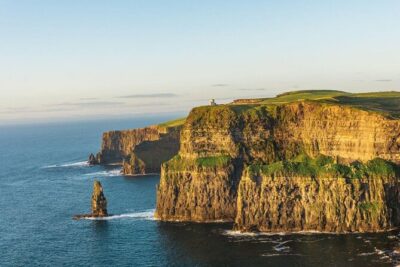
Dublin to Cliffs of Moher, including Wild Atlantic Way and Galway
Read our review →
Cliffs of Moher, Burren & Galway City Day Tour
Read our review →

Dublin to Cliffs of Moher, Burren, Wild Atlantic Way, Galway Tour
Read our review →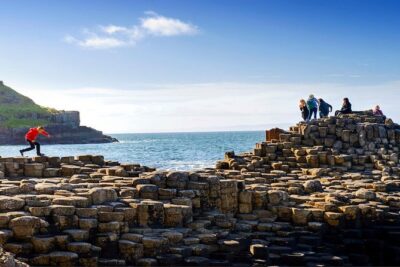
Dublin to Belfast Black Cab, Dunluce Castle and Giant’s Causeway
Read our review →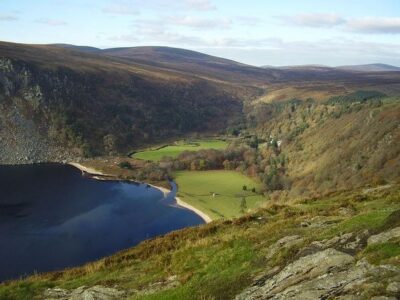
Kilkenny, Wicklow Mountains & Glendalough Day Tour from Dublin
Read our review →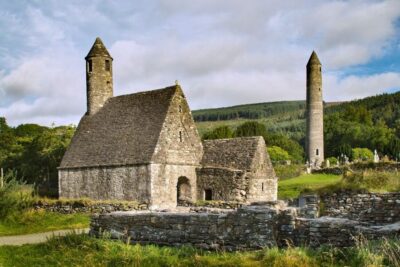
Wicklow Mountains, Glendalough & Kilkenny Tour
Read our review →