
Reviewed · CITY TOURS
2 Hour Walking Tour of Dublin’s City Centre
This Dublin city-centre walking tour works because it gives you a tight route plus story time, so you are not wandering with a vague map. I like the small-group size, and I also like that you get a quick-hit history across major landmarks in about two hours. One thing to consider is the pacing, it is designed for moderate walking and short stops, so you will not have long to linger.
The route is built for getting your bearings fast. You start at the Gaiety Theatre on King Street South, then work your way through the historic core, with plenty of photo moments and guide-led context at each stop. If you want to choose your day, there are morning or afternoon start times.
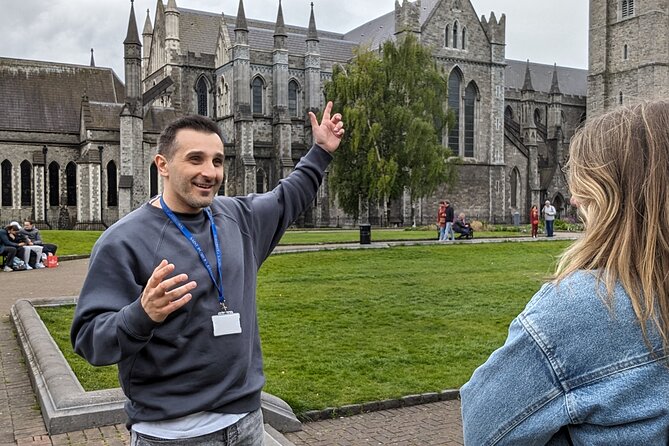
From the names that come up with this tour, guides like Alin or Allen tend to be upbeat and interactive, often using questions, photo props, and even games for younger folks. If you hate walking, or you want deep time inside buildings, you might feel a little rushed, since this tour is mainly an on-the-ground orientation.
Quick highlights you will feel in 2 hours
- Small-group feel (up to 10 people): more chances to ask questions and keep the pace flexible.
- Short, clear stops (about 15 minutes each): enough time to learn without turning it into a half-day marathon.
- Central Dublin route: Gaiety Theatre to St Stephen’s Green, with major sights threaded in between.
- You see, then you decide: most stops are a quick look so you can plan any optional interior visits later.
- End point by public transit: you finish near the Fusiliers Arch and a Luas tram stop, easy to keep moving.
- Guide-led storytelling: expect lively context, plus interactive moments like quizzes or games.
Why this tour is a smart Dublin first move
If this is your first trip to Dublin, you will love tours like this because they turn scattered landmarks into a story you can remember. Dublin is compact, but the city’s history is layered, and it helps to get a human explanation while you are standing in the right place.
You also get practical value. Without a map, you still hit the main sights, and you leave with a sense of where things sit relative to each other. That matters because Dublin’s best later plans, whether it is pubs, museums, or a second look at a cathedral, start from knowing your own position.
The only drawback is time. Two hours means short stop-and-go. If you are the type who wants quiet cathedral time or slow coffee breaks between every photo, you may prefer a longer or single-sight visit.
More City Tours in Dublin
- From Dublin: Cliffs of Moher, Burren & Galway City Day Tour
★ 4.8 · 18,888 reviews - Dublin: Cliffs of Moher, Atlantic Edge & Galway City
★ 4.7 · 4,293 reviews - Dublin to Rock of Cashel, Cork City & Blarney Castle Guided Tour
★ 4.5 · 2,536 reviews
Finding the start at Gaiety Theatre, on purpose
The meeting point is the Gaiety Theatre, King Street South (Dublin 2). It is a convenient anchor because it is in the city centre and easy to spot once you are in the right area. I like that the tour uses a single clear start so you can focus on the walk rather than hunting for a meeting spot.
You get a mobile ticket, and you confirm at booking time. That keeps the whole thing simple, especially if you are juggling jet lag and a schedule full of other Dublin decisions.
Also, the tour is offered in English and kept to a maximum of 10 travelers. If you prefer a more personal experience over a crowd scene, this size is a good sign.
How the pace works: short stops, strong context
Each stop is about 15 minutes. That tells you right away what kind of experience this is: an orientation tour where the guide gives you the storyline, and you get a taste of what is worth seeing later.
In practice, you will do two things at once. First, you will see the exterior and key features of places like cathedrals and castles. Second, you will connect names and time periods, so when you pass these spots again later, they make sense.
If your goal is to get the big picture quickly, this timing is ideal. If your goal is to spend most of your time inside, plan separate visits after.
Stop 1, Gaiety Theatre: Dublin’s arts scene with historical flavor
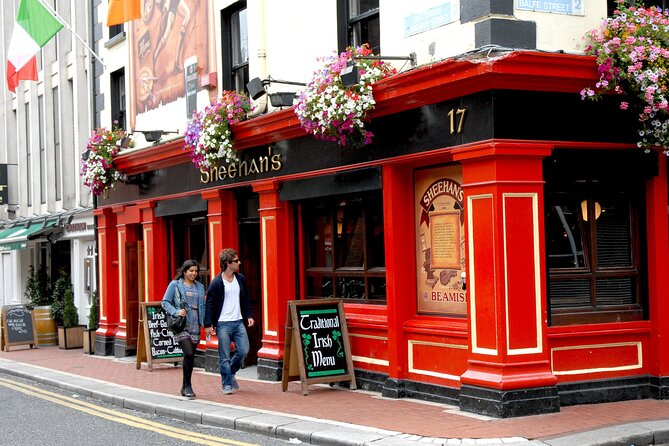
You begin at the Gaiety Theatre, where the tour sets the tone for Dublin as a city that does drama in both the arts and the streets. The stop is about 15 minutes, and the tour notes a free admission ticket for this first segment.
Even if you are not going to a show, this opening is useful. It gives you a cultural reference point before the tour shifts into medieval and political Dublin. It also helps break the ice, which is good in a small group.
More Walking Tours in Dublin
- Dublin Highlights and Hidden Gems Guided Walking Tour
★ 5.0 · 6,020 reviews - Dublin: Highlights and Hidden Gems Walking Tour
★ 4.9 · 2,140 reviews - 1916 Rebellion Walking Tour
★ 5.0 · 1,605 reviews - 90 Minute Dublin Walking tour and Sightseeing tips
★ 5.0 · 916 reviews
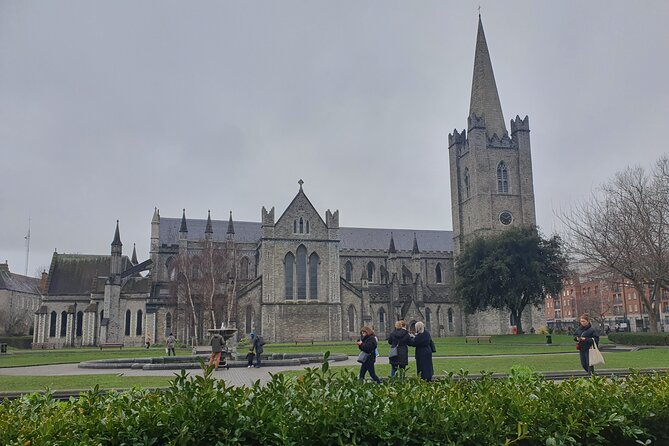
Saint Patrick’s Cathedral: the twisty story behind a big name
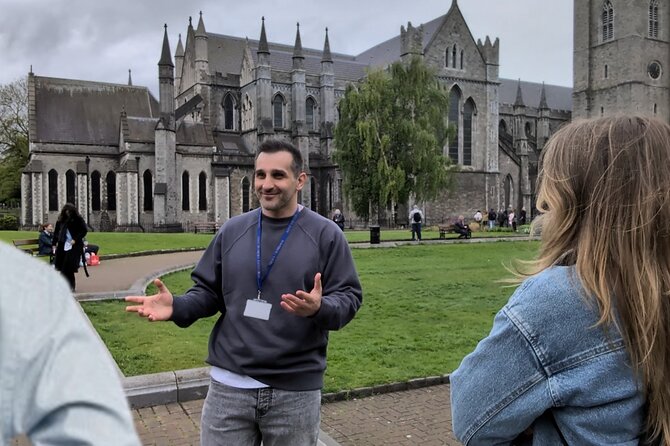
Next up is Saint Patrick’s Cathedral. Expect about 15 minutes here, and plan on admission not included. So you can take in the setting and learn the story, then decide if you want a longer interior visit on your own.
This stop is interesting because it is linked to St. Patrick, but it is not a single straight line of history. The guide frames it as a building that has gone through major changes over time, including phases connected to Anglo-Norman influence and periods of damage and rescue.
For you, that means you will not just leave with a photo of a famous cathedral. You will understand why it looks the way it does and why Dublin’s religious history is tied to the city’s power struggles.
Dublin Castle: from tower to power center
Then you move to Dublin Castle, built by the Anglo-Normans and transformed over centuries from a simple tower into a major complex. The tour gives you the history of how it functioned as a seat of power and even a prison, plus it includes a real-world jewel heist element that makes the story stick.
Dublin Castle is listed with admission not included. That is a good heads-up. In two hours, the goal is to get the essential storyline while you are still out in the open streets.
If you like history that feels like plot, you will enjoy this stop. It is less about facts in a vacuum and more about how power, wealth, and rule changed here.
Christ Church Cathedral: Vikings, rulers, and architectural layers
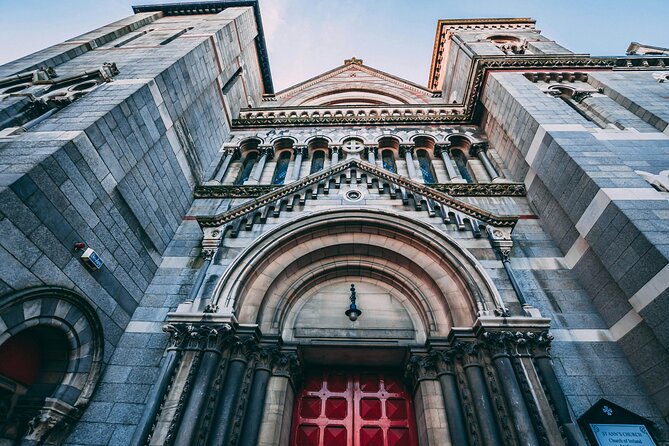
After Dublin Castle, you head to Christ Church Cathedral. The tour highlights a founding by Vikings in 1030 and then fastens that early origin to later changes by different rulers. It also points to Gothic flair added by Anglo-Normans and a later restoration funded by whiskey money.
The admission is not included at this stop either, so consider this your orientation visit. You can still take in the exterior character and let the guide explain why different parts look the way they do.
I like that this stop connects Dublin’s earliest period to later waves of influence. You get a clear sense of how quickly power shifted in this part of Europe.
Temple Bar: from rough reputation to tourist hub
Then comes Temple Bar. Historically, it is described as a maze-like neighborhood with a notorious reputation, and today it is known for pubs, art galleries, and nightlife.
The tour notes free admission ticket for this stop, which is handy because you can just enjoy the atmosphere and the guide’s context without worrying about extra fees at that moment. It is also one of those areas where you will likely want to return later, even if you do not stay for nightlife that same night.
Practical tip: Temple Bar can feel crowded at certain times. If you want photos, bring your patience, or aim for a quicker look during the tour so you can choose a calmer revisit later.
Trinity College Dublin: the campus and the Book of Kells connection
Trinity College Dublin is one of the big reasons people come to Dublin, and this tour uses it as a memorable anchor. The stop notes free admission, and it also references Trinity’s role as a center of learning and its fame for the Book of Kells.
The idea here is smart for you. In a short tour, you want a major mental landmark, something you can build future plans around. Trinity fits that perfectly.
If you are deciding what to do next, you will likely leave Trinity with a stronger sense of why you should schedule additional time there. Even if you only skim what is visible from the outside, the guide’s context helps you pick the right type of visit.
Bank of Ireland: political history in architecture form
Next is the Bank of Ireland stop. The tour frames it as a former center of Irish politics and points to the Old Parliament House. It also connects architecture from this area to larger building inspiration, including the Act of Union.
This is one of those stops that can surprise you because it feels like business from the street, but the guide makes it political. That is a win for a short walking tour, because you get depth without needing a museum ticket.
The stop notes free admission ticket, so it is another place where you can enjoy the explanation and move on without extra costs.
St Stephen’s Green: elite green space to public park
You wrap up at St Stephen’s Green, with a stop time of about 15 minutes. The tour highlights how it began as an exclusive green space for Dublin’s elite, thanks in part to the Guinness family, and it is now enjoyed by everyone.
This is a great final “reset” location. After cathedrals and castles, you get open space and an easier pace for reflection, photos, and figuring out what you want to do next.
The tour ends at the Fusiliers Arch in St Stephen’s Green, right next to the Luas tram stop. That is a practical detail that saves time, because you can jump into transport or continue walking toward other central areas without backtracking.
What you get from the guide (and why it matters)
A tour like this rises or falls on the guide, and here the pattern is strong. Names such as Alin, Allen, Alan, and Leonor show up, and they are described as personable, engaging, and full of story detail.
More importantly, the tour seems to encourage interaction. You might see quick questions, quizzes, or games, and guides also tend to pause for photos when you ask. If you are traveling with kids or teens, that matters, because it keeps energy from melting halfway through.
The guide-led local restaurant and pub recommendations come up too. I would treat those as starting points, then choose what fits your mood and budget. But having a few insider options right after your historical walk is genuinely useful.
Value check: $28.96 for 2 hours of orientation power
At $28.96 per person for about two hours, this is not trying to compete with free walking. It is paying for a guide who can compress a lot of context into a short, easy route.
Here is why it feels like good value for many people:
- You cover multiple major Dublin landmarks in one go.
- You get history and explanations at the exact spots, which is harder to do solo.
- Small-group size means you are more likely to get your questions answered.
The cost can feel less appealing if you already know Dublin deeply or if you plan to visit every building inside during your trip. Since admission for several key sites is not included, you still may want to budget separately for any interior visits you choose later.
Still, for a first or second day in Dublin, this kind of orientation tour often pays off quickly. You spend less time deciding, and more time enjoying.
Best fit: who should book, and who might not
This tour suits you if you:
- Want a first-day plan that covers the city centre highlights
- Like history stories tied to real street locations
- Prefer small groups and a guide who can answer questions
- Want an easy way to get your bearings before choosing next-day activities
You might reconsider if you:
- Want long, slow visits inside cathedrals and castles
- Are sensitive to walking and prefer minimal street time
- Plan to do a lot of indoor admissions immediately and want those priced into the ticket
If you are traveling with family, the interactive tone and engagement level can work well across age groups, including teens.
Should you book this Dublin city-centre walking tour?
If you want a smart, efficient way to see Dublin’s core and understand what you are looking at, I think this is a solid booking. Two hours is long enough to matter, short enough to keep your day flexible, and the route funnels you through the places most people add to their Dublin list.
I would book it if your priority is orientation plus stories, and if you like the idea of starting at Gaiety Theatre and ending at St Stephen’s Green near the Luas. I would also book it if you enjoy interactive guiding, because the small group format makes that more likely to land well.
Skip it only if you strongly prefer deep interior time over street-level learning. For many first-timers, though, this is a friendly way to get your bearings, meet the city, and leave with a clear sense of what to explore next.
FAQ
How long is the 2 Hour Walking Tour of Dublin’s City Centre?
It lasts about 2 hours.
What is the price per person for this Dublin walking tour?
The price is $28.96 per person.
Where does the tour start, and where does it end?
You start at the Gaiety Theatre on King Street South, Dublin 2. You end at the Fusiliers Arch in St Stephen’s Green, next to the Luas tram stop.
Is the tour offered in English?
Yes, it is offered in English.
How many people are in the group?
The tour has a maximum of 10 travelers.
Are admission tickets included for all stops?
No. The tour notes that some stops have admission ticket free while others list admission ticket not included, and it also states that all fees and taxes are not included.
Do I need a printed ticket?
No. You get a mobile ticket.
What kind of fitness level do I need?
A moderate physical fitness level is recommended.
Can I bring a service animal?
Yes, service animals are allowed.
Is free cancellation available?
Yes, you can cancel for a full refund up to 24 hours in advance of the experience start time.
Newest Dublin reviews
- Giants Causeway with Private Chauffeur Day Tour from Dublin★ 5.0 · 23 reviews
- Dublin Private Walking Tour | 3 hour Highlights & Hidden Gems★ 5.0 · 23 reviews
- Taste traditional Irish food in the heart of Dublin★ 5.0 · 24 reviews
- From Dublin:Cork,Cahir Castle,Rock of Cashel Tour in Spanish★ 4.5 · 24 reviews
- 4 Hour Private Dublin City Sightseeing Tour ( 1-7 People)★ 5.0 · 25 reviews
- Scogliere di moher e Galway in italiano★ 4.5 · 25 reviews
- Dublin: Forge Your Own Silver Claddagh Ring Workshop★ 5.0 · 25 reviews
- Luggage Storage Dublin★ 5.0 · 26 reviews
City Tours, compared.

Cliffs of Moher, Burren & Galway City Day Tour
Read our review →
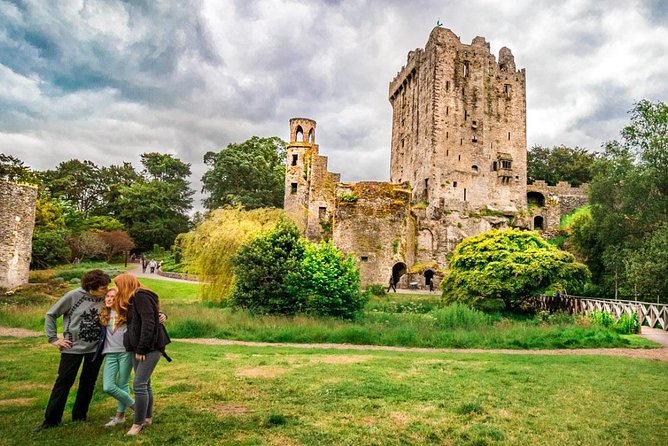
Dublin to Rock of Cashel, Cork City & Blarney Castle Guided Tour
Read our review →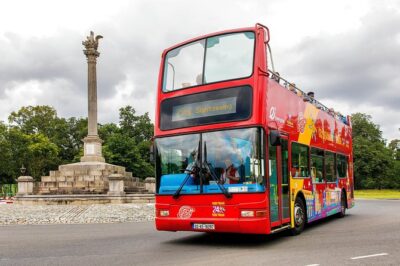
City Sightseeing Dublin Hop-On Hop-Off Bus Tour
Read our review →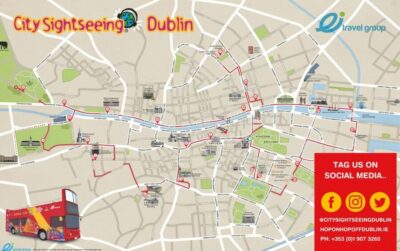

Go City: Dublin Pass | Save up to 50% – Includes 35+ Things To Do
Read our review →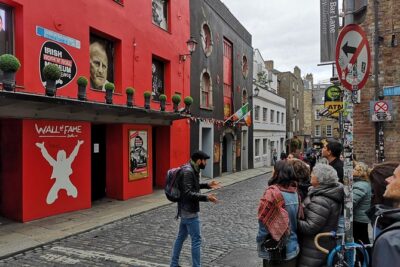

Aran Islands and Cliffs of Moher Day Cruise sailing from Galway City Docks
Read our review →Browse the lists this tour appears in