

Reviewed · GHOST TOURS
Dublin: North Quay Guided Ghost Walk
Dublin’s North Quay guided ghost walk is interesting because it stitches together old monasteries, Viking leftovers, and 18th-century executions into one focused walking route. You’ll move through places that feel ordinary in daylight, then hear why they became scary stories at night. If you like your Dublin to have a pulse, this one does.
What I really like is the way the walk pairs spooky moments with clear, street-level history, so the legends land instead of floating off. I also like that the tour is guided by real storytellers, with names like Kate and Darragh showing up as guides who answer questions and keep things fun, not goofy.
One consideration: if you want a full-on theatrical scare show, you might find it more spooky and informative than intensely frightening. And if you’re already nervous about dark alleys and mass-grave stories, plan to keep your expectations realistic.
Key things to know before you go

- Oxmantown and former Viking enclaves: you’ll walk through the north side’s layered roots, not just one era
- Saint Mary’s Abbey in an alley: a major medieval Irish site, now something commuters pass without a second look
- Hendrick Street haunted-house focus: the area between No. 7 and 8 is treated as a central ghost stop
- Croppie’s Acre mass grave story: 1798 rebels and a long-abandoned pitch above something heavier
- Saint Michan’s Church mummies: a famously macabre attraction tied to Dracula’s origin story
- A 21st-century Virgin Mary apparition site: the hauntings are not just medieval
Entering the haunted north side: why this walk works
This is the kind of Dublin experience that makes you see the city differently fast. The route is anchored in specific places, and that matters because ghost stories feel much more believable when they’re tied to an exact doorway, alleyway, or street bend you can stand in.
What you get is a guided stroll designed to connect dots. The story thread runs from medieval power and religious sites, to Norse-era traces, then into rebellion-era violence, and finally into modern reported hauntings. That sweep can be surprisingly satisfying, because Dublin’s past is not tidy. It’s messy, layered, and still present in the street plan.
I also like that the description frames the tour as both spooky and informative. You’re not just collecting jump-scares. You’re learning why certain locations became famous for ghost lore, including why some stories persist even when the city around them changes.
More Walking Tours in Dublin
- Dublin Highlights and Hidden Gems Guided Walking Tour
★ 5.0 · 6,020 reviews - Dublin: Highlights and Hidden Gems Walking Tour
★ 4.9 · 2,140 reviews - 1916 Rebellion Walking Tour
★ 5.0 · 1,605 reviews
Start at Mary Street: the pre-walk vibe and what you’ll do with your time
You begin outside The Church Bar and Restaurant on Mary Street. That’s a good setup because it’s an easy landmark to find and it puts you right where you’ll need to be: in the north side’s working streets, not out by some remote attraction.
The tour runs about 1.5 hours (the wording also references a two-hour stroll, so think roughly short and concentrated). That duration is ideal for a night program. It’s long enough to cover multiple sites and hear several connected stories, but short enough that you’re not stuck walking for hours in the dark.
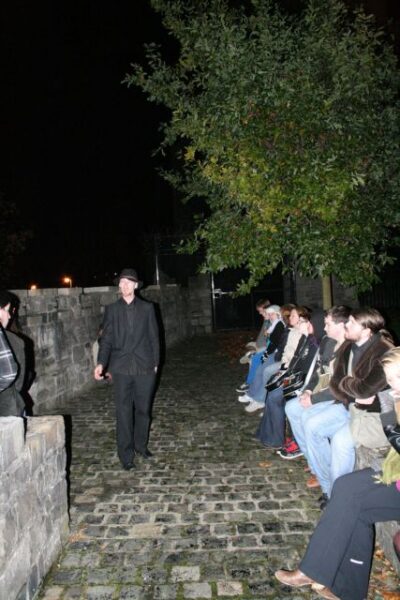
Because it’s a guided walking tour, you should expect to spend most of that time on your feet. Wear comfy shoes. Even if you’re not prone to drama, you’ll be spending time looking around and listening closely, and your body will notice if your footwear is off.
One more practical point: the tour ends back at the meeting point. That means you can easily build a simple night plan afterward, like grabbing a drink or continuing your walking in daylight or early evening light, depending on your schedule.
Oxmantown and Viking echoes: the north side backstory you can actually walk
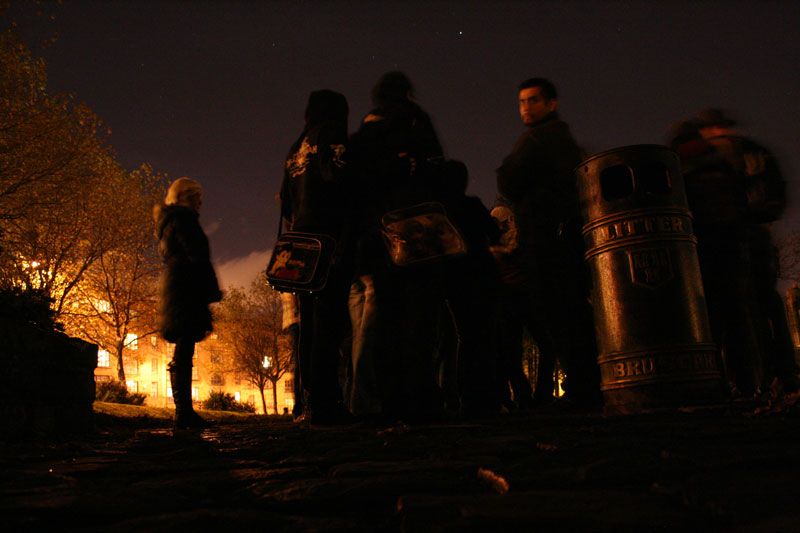
One of the highlights is medieval Oxmantown and the former Viking enclaves you’ll pass through. This is one of the best ways to understand Dublin’s ghost reputation without treating it like pure folklore.
Viking-era and medieval Dublin were built on trade, settlement, and conflict. When you hear about hauntings in older parts of town, the stories often make more sense once you understand that these streets grew from eras of power and upheaval. You’re not just hearing that something is spooky. You’re getting the ground it grew out of.
I like this part of the tour because it sets the tone before you get into heavier sites. It also helps you connect what you see, street layout and neighborhood feel, to why certain legends took root. And since the tour is led by a live guide, you’ll have a chance to ask follow-up questions as you go.
This section also helps you decide what kind of Dublin you want next. If you like the medieval angle, you can keep exploring medieval remnants afterward. If you’re more drawn to rebellion and modern reported hauntings, you’ll feel your curiosity pulling in the right direction.
Saint Mary’s Abbey ruin: the place you pass without knowing what it was
You’ll visit the site of Saint Mary’s Abbey, described as one of the most powerful Irish monastic settlements in medieval times. Today it’s mostly a small ruin in an alleyway, which is exactly why it’s powerful in a ghost walk context.
This is the stop that turns everyday city life into a time portal. You’ll be standing where thousands of people likely once moved through a major religious hub, then watching modern commuters glide by with no pause. That contrast is where the eerie feeling comes from.
In practical terms, this is also a great stop if you’re curious but not trying to be scared out of your mind. The story doesn’t just rely on spooky atmosphere. It gives you context, including why monastic sites become magnets for legend: they’re tied to learning, power, illness, death, and sudden change.
If you’re the type who likes a story that makes your brain work, this is your moment. You’ll leave with a better sense of how Dublin’s religious history shaped the city’s geography, and how that legacy later fed ghost lore.
More ghost walks in Dublin:
- Dublin Ghost Bus Tour with Professional Actors
★ 4.5 · 949 reviews - Haunted Dublin Walking Tour
★ 5.0 · 550 reviews - From Dublin: Gravedigger Ghost Bus Tour
★ 4.4 · 546 reviews - Dublin’s Haunted History Walking Tour
★ 4.3 · 345 reviews
Hendrick Street and the haunted houses: the most specific ghost focus on the route
Next comes one of the most direct, street-by-street ghost-story sections: Hendrick Street, specifically the area between number 7 and 8. The walk frames this stretch as the site of two of the most haunted houses in Dublin, with multiple ghosts connected to that narrow space.
That level of specificity is part of why this tour can feel extra effective. You’re not listening to vague claims. You’re being guided to a real address range, which makes the legend feel like it belongs to a map you can follow.
Also, Hendrick Street is a street you can imagine in multiple time periods. It’s the kind of location where people have lived, worked, traded, argued, and survived. Even if you’re skeptical, the idea that certain places collect stories over generations is easy to understand. And with the guide’s narration, the ghost lore becomes more than a random spooky add-on.
One practical note: expect the “heaviest” mood to come in short bursts here. This is where listening closely helps. If you’re distracted by photos or too focused on the noise around you, you might miss the connections your guide is building.
Croppie’s Acre: rebellion, execution, and why the ground feels heavier
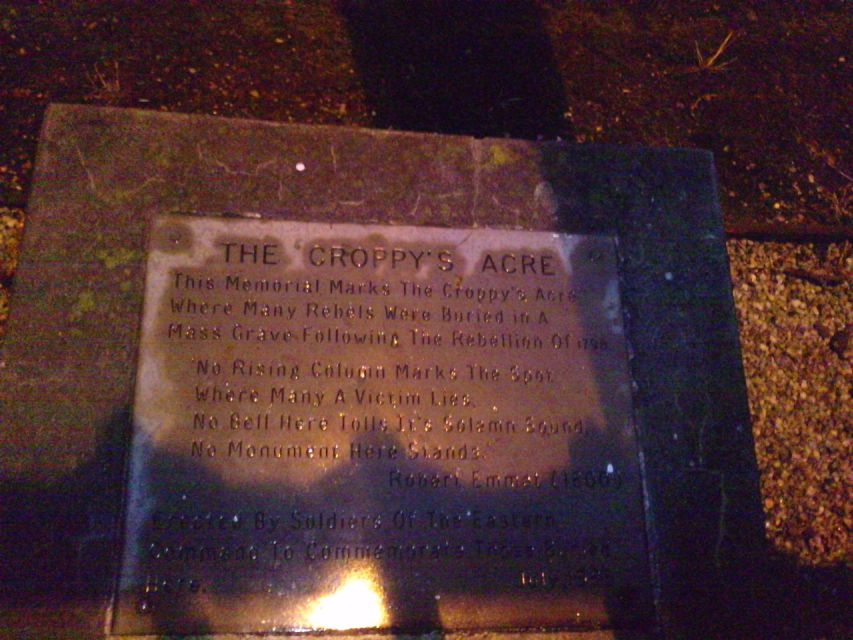
This stop is the one that makes the tour shift from eerie to serious. Croppie’s Acre is described as long-abandoned, once used as a football pitch in the 20th century, and underneath it is a mass grave, the final resting place of hundreds of rebels executed in the 1798 rebellion.
That combo, sports on top of mass violence, is a strong reason the site keeps showing up in ghost storytelling. People remember tragedy, especially when the city grows over it. The feeling you get on a walk like this is not just fear. It’s the awareness that the city has layers of consequences under the everyday surface.
The tour also tells you why the place matters in the broader story of Dublin. The 1798 rebellion isn’t just an event to read about. It becomes personal through location, and that’s where guided storytelling helps most. A good guide turns dates and names into a sense of lived reality.
If you’re bringing kids, keep the tone in mind. It may not be an outright scare fest, but it does include stories of execution and a mass grave. For adults, this is often the most memorable stop because it’s emotional while still being grounded in place.
Saint Michan’s Church mummies: the Dracula connection you can walk with
You’ll hear tell of the mummies of Saint Michan’s Church, described as a major macabre attraction in Ireland and a key inspiration tied to Bram Stoker, a native of Clontarf and the author of Dracula.
This is a smart inclusion because it bridges local legend to world-famous fiction. If you like seeing how Dublin feeds literature, this stop gives you a tangible connection between the city’s real dark history and the stories that spread beyond Ireland.
What I like about this part of the tour is that it keeps the mood grounded in something visitors can understand. Even if you’ve never toured Saint Michan’s itself, the idea of preservation, burial, and the way a place keeps its story can make the whole ghost theme click.
And since you’re on a walking route, you get the chance to connect the Dracula thread to the broader route themes. Medieval power, later violence, and modern legends all live in the same city, and the tour’s structure helps you see that.
The Virgin Mary apparition site and Scaldbrother’s theft stories
Not all the hauntings are medieval. The tour includes the site of a 21st century apparition of the Virgin Mary, which shifts the focus from distant centuries to modern reported experiences.
That matters, because it changes what you think a ghost walk is “supposed” to be. It stops being just about castles and kings, and turns into a reflection of how people explain fear and awe across time. In a city where history is visible, modern hauntings feel less random and more like part of the same human urge to make sense of the unexplained.
You’ll also hear of Scaldbrother, an infamous medieval thief. That’s a different flavor of creepy: not the supernatural-only type, but the kind where crime and punishment become legend. Thieves create victims. They also create after-the-fact stories, rumors, and moral lessons that cities keep repeating.
If you like stories where the “ghost” label is an umbrella for older tragedies, petty cruelties, and social memory, this section is a good fit. It adds texture, and it prevents the tour from feeling like one long genre loop.
How scary is it, and how to make the most of the evening
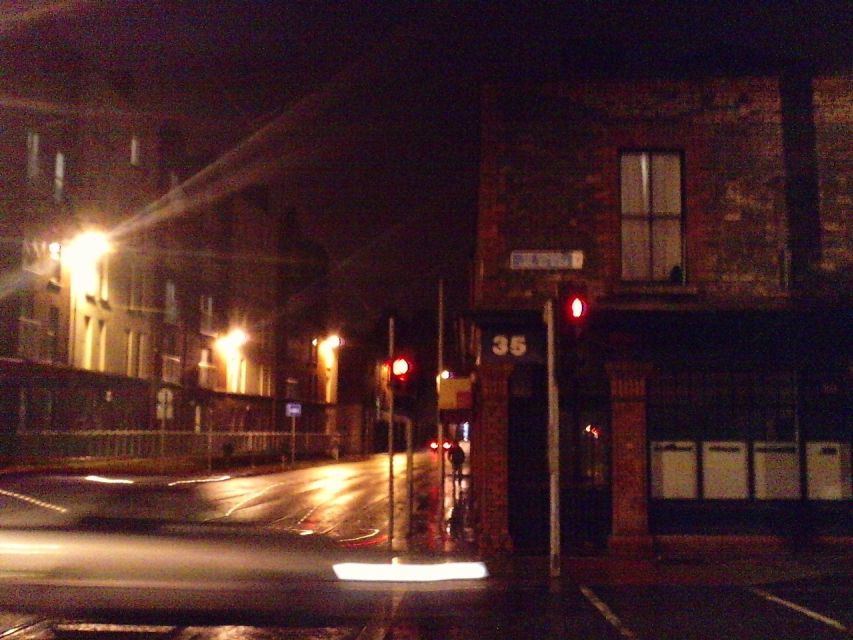
The tour description gives a gentle warning: those with nervous dispositions may feel a little bit spooked. I’d treat it as a mid-level spooky walk, more “spooky atmosphere plus stories” than jumpy horror film.
One detail you should plan for is the amount of time you’ll be outside on your feet. I’d bring layers, especially because evening Dublin can feel cooler than you expect. A wet evening also makes street lighting less forgiving, and that can amplify the mood, for good or bad.
Timing can also affect the experience. In some seasons, late daylight can stretch into the evening, which can reduce the darkness that feeds ghost vibes. If you can choose a start time, go later when the city feels more nightlike.
Finally, this is a small, listening-focused outing. The guides are described as personable and funny, with strong research and the ability to answer questions. Names like Matthew and Derek also come up as guides who tell stories with humor without turning the whole thing into a gimmick.
Price and value: what $28 buys you in real terms
The price is listed at $28 per person. For a guided walking tour, the value comes from two places.
First, you’re paying for a live guide who can connect multiple locations into one coherent story. Ghost walks often fail when they’re just recited folklore. Here, the emphasis is on informed storytelling tied to specific sites, like Saint Mary’s Abbey, Hendrick Street, and Croppie’s Acre.
Second, you’re buying time and direction. Dublin is a walkable city, but it’s not automatically obvious which alleys and streets matter for ghost lore. This tour narrows your attention and gives you a route that you can follow without guessing.
Is it worth it? If you like Dublin and you want a different angle, yes. You’ll get both spooky moments and a sharper sense of how north side history shaped what people still talk about today. If you only want history from museums, you might prefer a traditional attraction. But if you want your history delivered on foot, with real street stops and story pacing, this price point can feel fair.
Should you book the North Quay Guided Ghost Walk?
I’d book this if you fit one of these groups:
- You like Dublin and want a nighttime walking experience that’s more than just drinks and selfies
- You enjoy stories that blend spooky elements with real locations, including rebellion history and medieval crime lore
- You want a guided route through the north side, including specific stops like Hendrick Street and Croppie’s Acre
Skip it if you want something ultra-scary, with big theatrical effects, or if you really dislike walking and listening outdoors in the evening.
If you’re in the middle, undecided, go with a practical approach: bring comfy shoes, dress for cool weather, and treat it as a story-led walk with just enough creep to make the city feel alive.
FAQ
How long is the Dublin North Quay Guided Ghost Walk?
The tour duration is listed as 1.5 hours. The description also refers to a two-hour ghost walk, so expect a short, concentrated experience.
Where do I meet the guide?
Meet outside The Church Bar and Restaurant on Mary Street. The tour ends back at the same meeting point.
Is the tour in English?
Yes, the tour guide is English-speaking.
How much does it cost?
The price is $28 per person.
Can I cancel for a refund?
Yes. There is free cancellation up to 24 hours in advance for a full refund.
Is there an option to pay later?
Yes. You can reserve now and pay later, keeping your plans flexible.
Newest Dublin reviews
- Dublin: Traditional Pubs Walking Tour with Local Guide★ 4.9 · 112 reviews
- Dublin: Cliffs of Moher, Ennis, & Bunratty Castle Day Tour★ 4.9 · 113 reviews
- Meet and Eat Dublin: Dublin Food Walking Tour★ 5.0 · 115 reviews
- Small Group-Dublin Walking Tours★ 5.0 · 116 reviews
- A Silent Disco Walking Tour★ 5.0 · 118 reviews
- 3-Day Southern Ireland Tour Including Galway and Kerry from Dublin★ 4.5 · 123 reviews
- From Dublin: Wicklow, Glendalough, Waterfall & Sheepdog demo★ 4.5 · 126 reviews
- Dublin: Guinness Storehouse Connoisseur Experience★ 4.8 · 123 reviews
Ghost Tours, compared.


Hidden Dublin: Haunted History Walking Tour v2.0 2026
Read our review →Browse the lists this tour appears in