
Reviewed · HISTORICAL TOURS
2-Hour Historical Walking Tour from Dublin
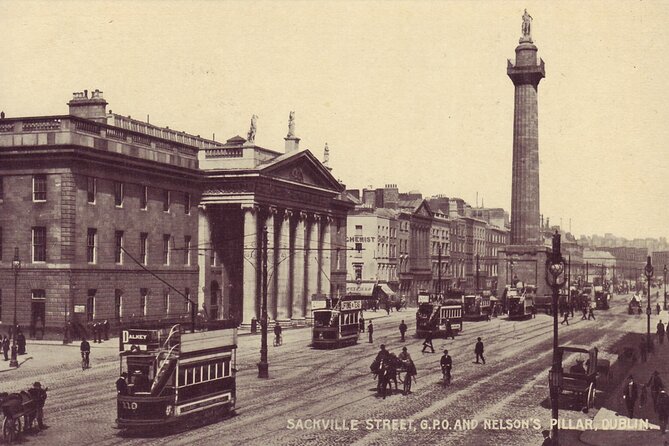
A short walking tour can be great in Dublin because the city keeps layering its past right onto the pavement. This one links power, faith, rebellion, and everyday culture in a simple two-hour loop through the center. I like that you get a clear guide-led story rather than random sight-seeing, which makes the streets feel less confusing.
I also like the small-group size (max 25). You get the benefits of a group tour, it stays easy to manage, and most stops come with free site access so you do not feel nickel-and-dimed. One trade-off: the content can run politics-and-history heavy, so you will get the most out of it if you actually enjoy Irish history debates.
The best way to decide is to match the tour to your mood. If you want light and scenic, you might find it dense. If you want to understand why Dublin looks the way it does, you will probably love it.
Key highlights to know before you go
- History postgraduate guides who can explain the big picture and the tricky bits in plain language
- Small group (up to 25) so you can actually hear your guide and ask questions
- Free access at most stops, with one notable exception around the Book of Kells
- A strong start point near Trinity so you can orient fast and keep your day flexible
- A route that spans Vikings to the Civil War without feeling like a textbook
Why This Two-Hour Trinity-to-Christ-Church Walk Makes Dublin Click
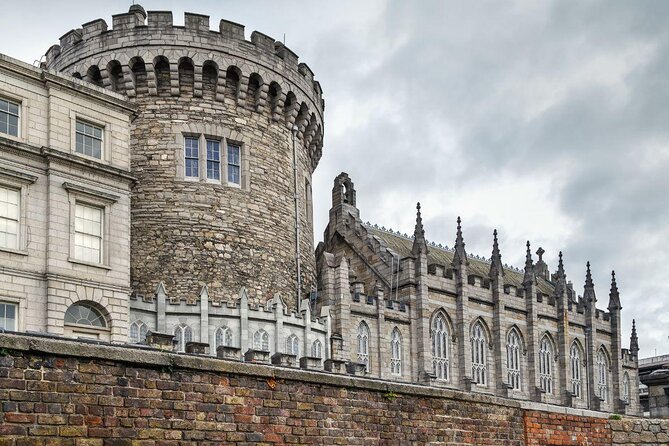
This tour works because it does not try to cover everything. It focuses on a tight slice of central Dublin where each stop explains a different “era engine” that shaped the city, from medieval walls and cathedral building to parliamentary power, then into modern legal and civil conflict.
You get the most value if you treat the two hours as context. After the walk, you are not just looking at buildings, you are understanding why they mattered and how the same streets kept becoming new stages for new fights.
And yes, it is still a walking tour. It is manageable for many people with moderate fitness, but it is not a sit-and-watch experience.
More Historical Tours in Dublin
- Dublin Historical Centre Food Tour with 8 Food Tastings & Drinks
★ 5.0 · 1,718 reviews - Historical 2-Hour Guided Walking Tour of Dublin
★ 4.7 · 865 reviews - Dublin to Cork, Blarney Castle & Cóbh Heritage Centre by train
★ 4.5 · 510 reviews
Finding the Tour Start at Henry Grattan Monument by Trinity
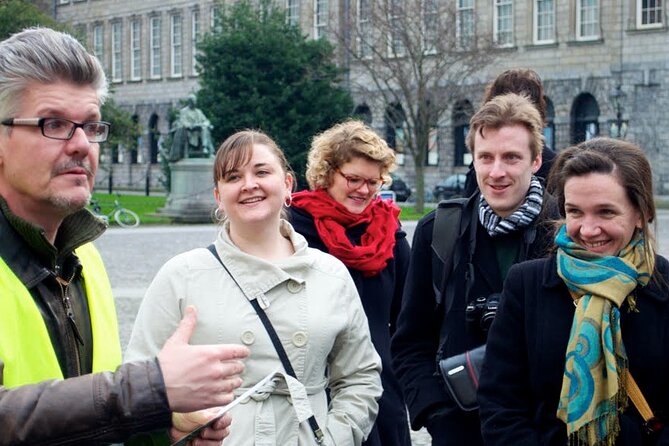
The meeting point is at the Henry Grattan Monument on College Green, right opposite the Trinity College Dublin front gate. The end point is at Christ Church Cathedral, on Christchurch Pl in Wood Quay, so you finish in a place you can keep exploring immediately.
This matters more than it sounds. One common problem with city tours is people showing up at the wrong edge of a landmark. If you want zero stress, head to the Grattan statue area on College Green and plan to be there a few minutes early.
Trinity College Dublin: Oldest University, the Book of Kells, and the Real Hook
Your first stop is Trinity College Dublin, introduced as Ireland’s oldest university, founded in 1592. The campus setting also gives you a good sense of how cultural prestige got tied to institutions long before modern Ireland.
You also get the big story around the Book of Kells, an 8th-century Latin manuscript of the four Gospels. This is the artefact people associate with Trinity, and your guide helps you understand why it became so symbolically important.
Important detail: you can visit and learn on campus, but entry to the Book of Kells itself is not included. So if you want to see the manuscript, you will need to plan that separately after the tour.
If you like a tour that makes you ask better questions on your own, this stop is a strong start. It sets up the rest of the walk, because you start noticing how history gets protected, displayed, and argued over.
Bank of Ireland and Temple Bar: Power, Architecture, and the Cultural Quarter Turn
From Trinity you move into the story of political authority. The Bank of Ireland building is framed as a former colonial parliament site, built in 1729 and abolished by the Act of Union in 1800. Your guide connects the building to the period people often call the Protestant Ascendancy, plus the look and feel of neo-classical design.
Then, Temple Bar enters the story in a different way. This area of narrow streets was once earmarked for demolition, then repurposed in the 1990s as Dublin’s Cultural Quarter.
That contrast is the point. In two stops you see how Dublin swung between “retain and control” and “reinvent for public life.” If you only ever visit Temple Bar for drinks, this tour helps you understand why the streets ended up as they did.
One practical thought: Temple Bar is busy, and the more you listen during the explanation, the more the area makes sense later even when the crowd energy is loud.
More Walking Tours in Dublin
- Dublin Highlights and Hidden Gems Guided Walking Tour
★ 5.0 · 6,020 reviews - Dublin: Highlights and Hidden Gems Walking Tour
★ 4.9 · 2,140 reviews - 1916 Rebellion Walking Tour
★ 5.0 · 1,605 reviews - 90 Minute Dublin Walking tour and Sightseeing tips
★ 5.0 · 916 reviews
Wood Quay Amphitheatre: Viking Dublin Shows Up Where You Would Not Expect
Wood Quay Amphitheatre brings you into a more surprising Dublin layer: the Viking city. The area connects to archaeological excavations in the 1980s that uncovered evidence of a Viking settlement, credited with founding the city in AD 840.
This stop is easy to underestimate because it sounds like “just another site.” But the Viking angle changes how you interpret the geography of Dublin. It shifts the story earlier, then makes later political and religious power feel like part of an even longer timeline.
If you have a soft spot for “how we know what we know” stories, you will probably enjoy the archaeology emphasis here. Even when you are not staring at artefacts, your guide helps you picture what the discoveries would have meant for everyday life.
Four Courts and the June 1922 Civil War Start
Next comes Four Courts, Ireland’s legal headquarters. The historical focus is not just that it is an important institution, but that it was the launch point for a Civil War in June 1922.
Your guide links that moment to the Treaty of December 1921, which ended the War of Independence (1919 to 1921). The result is a clear explanation of how a “victory moment” can still fracture into new conflict when politics and visions for the future do not match.
If you come into the tour wanting a break from modern Irish political complexity, Four Courts can be intense. A guide style can make or break it, and many guests love how the guides handle dense material in a way that stays listenable.
Still, it is wise to be honest with yourself. If you prefer lighter culture stops, this is one of the points where the tour leans hard into politics.
Christ Church Cathedral and Strongbow: Faith Built in Stone
Christ Church Cathedral is next, presented as Dublin’s oldest cathedral, dating to around 1030, and later rebuilt in stone in the 1170s by Strongbow. Your guide also ties Strongbow to the original English invasion of the 1170s.
This stop gives you a visible timeline. You can stand in the cathedral area and feel how the Christian story in Dublin connects with political conquest and power transfer. Even if you are not a cathedral person, the “why this place exists” explanation tends to land well.
A small advantage of doing this in a tour format is pacing. Instead of trying to figure out what matters on your own, your guide points you toward the parts that connect to the wider narrative you have heard already.
City Hall and Daniel O’Connell: The Catholic Lord Mayor Story
City Hall adds a more personal character story. Inside is a statue of Daniel O’Connell, Dublin’s first Catholic Lord Mayor in 1840, and a key figure in the campaign for Catholic Emancipation in 1829.
Your guide frames O’Connell as the person who helped push for an end to anti-Catholic laws, which is why he is often called The Liberator. This is history in human form, not just dates and institutions.
I like this stop because it gives you a break from the heavier power structures and gives your mind a concrete example of leadership and reform. It also helps explain why religion and politics could not be separated in Ireland for long stretches.
Dublin Castle: King John, British Administration, and the Name Dublin
The final major stop is Dublin Castle. You get the origin story that it was built by “Bad” King John in 1204, then used as the seat of British administration until 1922.
Your guide also connects Dublin’s name to Dubh Linn, meaning Black Pool. That name link is one of those small details that can genuinely improve your orientation around the city, because it ties a place-name to a real geographic idea.
Ending near Christ Church Cathedral is smart. Once you finish, you are not stuck walking back across town with tired legs. You can wander on your own, revisit anything that grabbed your attention, and keep your day moving.
What the Guides Are Like: Clear Voices, Storytelling, and the Pace That Matters
A big reason this tour earns such strong ratings is the guide style. Many guides are history graduate students, with a teaching approach that mixes big timelines with short scenes and humor.
You might hear an opening that covers thousands of years quickly, then expand each era at the right moment. Some guides are described as animated, funny, and easy to follow, with a clear voice that works even when the weather is freezing or the wind is sharp.
I also think the small-group format helps the guide keep the pacing right. When the group can hear you, you can explain more without getting lost. Many people love that the tour feels like a guided story rather than a lecture.
One caution: the tour can run a little over two hours when the guide keeps going with the most compelling details. Plan your afternoon with some buffer. You will likely want time to keep exploring after you finish.
Price Value: $22.98 for Context You Can Reuse All Day
At $22.98 per person for a two-hour guided walk, this is strong value if your goal is to understand Dublin rather than just tick off landmarks.
Here is the value logic that matters:
- You are paying for a trained guide who can connect the dots, not just for a route.
- Many stops come with free site access, which reduces extra costs while you learn.
- The one clear extra cost risk is the Book of Kells entry, which is not included.
If you compare this to spending the same money on individual admissions without context, the difference is huge. This tour helps you build a mental map so later museum time, cathedral visits, and even pub conversations feel more grounded.
Who Should Book This, and Who Might Want a Different Style
This tour is ideal for you if you want:
- A fast introduction to how Dublin and Ireland got shaped by major political turning points
- A guide who explains complicated periods in a way you can follow
- A walk you can do early in your trip, then use to navigate the rest of your day
It might be less ideal if you want:
- Mostly cultural vibe stops with minimal politics
- A super-light experience that avoids history debates
- Something designed specifically for younger children, where dense political context can be hard to hold
It is also worth wearing comfy shoes and dressing for Irish weather. People mention freezing January mornings, rainy windy days, and the reality is you will still be walking and listening outside. Bring layers, and keep your voice awareness sharp.
Should You Book This Dublin Historical Walking Tour?
If you want Dublin with explanations attached, this is a smart booking. The route is short, the group stays small, and the guide-led storytelling helps you make sense of why Trinity, cathedrals, parliament buildings, legal headquarters, and castles sit together in one city core.
Book it early in your trip if you can. You will get orientation fast, and you can return later to the places that made the biggest impression. Skip it only if you know you hate politics-heavy history, or if you want a purely scenic walk with minimal interpretation.
FAQ
How long is the Dublin historical walking tour?
It runs for about two hours.
What is the price per person?
The tour costs $22.98 per person.
Where do I meet the guide?
Meet at the Henry Grattan Monument on College Green, Dublin, opposite the Trinity College front gate.
Where does the tour end?
It ends at Christ Church Cathedral, on Christchurch Pl, Wood Quay, Dublin.
Is the tour guided in English, and do I get a mobile ticket?
Yes. It is offered in English, and you receive a mobile ticket.
Can I get a full refund if my plans change?
You can cancel up to 24 hours in advance for a full refund, and the cutoff is based on local time.
Is there any admission included for major sights like the Book of Kells?
Entry to the Book of Kells is not included, but the tour indicates free admission tickets for the other stops.
Newest Dublin reviews
- Dublin: Traditional Pubs Walking Tour with Local Guide★ 4.9 · 112 reviews
- Dublin: Cliffs of Moher, Ennis, & Bunratty Castle Day Tour★ 4.9 · 113 reviews
- Meet and Eat Dublin: Dublin Food Walking Tour★ 5.0 · 115 reviews
- Small Group-Dublin Walking Tours★ 5.0 · 116 reviews
- A Silent Disco Walking Tour★ 5.0 · 118 reviews
- 3-Day Southern Ireland Tour Including Galway and Kerry from Dublin★ 4.5 · 123 reviews
- From Dublin: Wicklow, Glendalough, Waterfall & Sheepdog demo★ 4.5 · 126 reviews
- Dublin: Guinness Storehouse Connoisseur Experience★ 4.8 · 123 reviews
Historical Tours, compared.

Dublin Historical Centre Food Tour with 8 Food Tastings & Drinks
Read our review →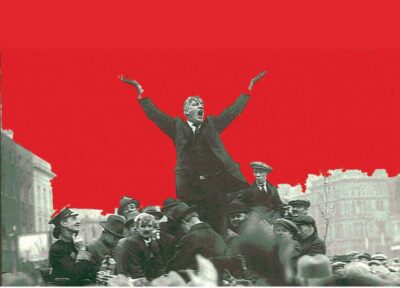
Historical 2-Hour Guided Walking Tour of Dublin
Read our review →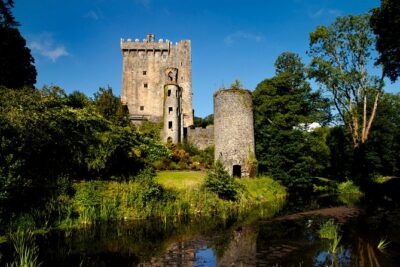
Dublin to Cork, Blarney Castle & Cóbh Heritage Centre by train
Read our review →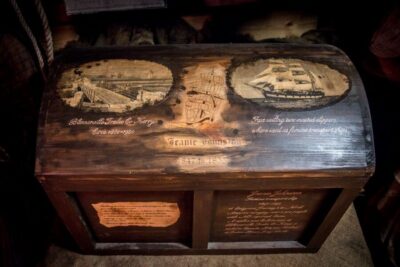
Jeanie Johnston Tall Ship Irish Famine History Tour
Read our review →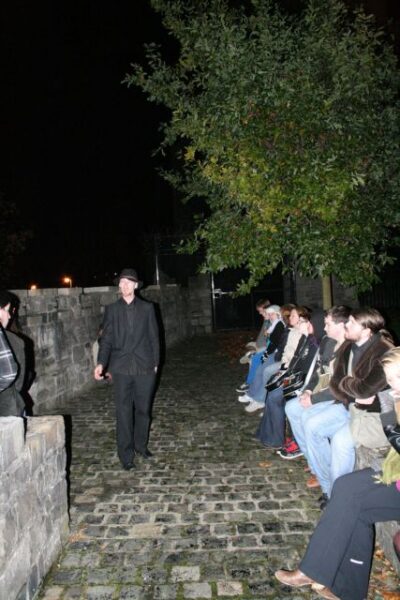

Deliciously Dublin: The Artisan Donut Walking & History Tour
Read our review →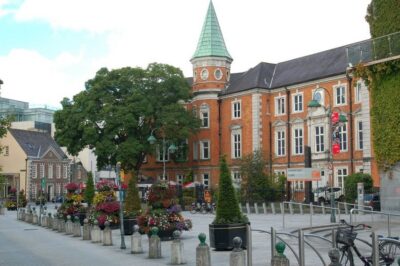
Browse the lists this tour appears in