
Reviewed · HISTORICAL TOURS
Historical 2-Hour Guided Walking Tour of Dublin
What makes this Historical 2-Hour Guided Walking Tour of Dublin interesting is the way it turns a compact walk into a full timeline of Irish history. I love that the guide team includes history graduates from Trinity College Dublin and University College Dublin, and I love how you move between big landmarks like Dublin Castle and lively areas like Temple Bar instead of getting stuck in one museum room.
The only real drawback is that the time window is tight, so you will not have room to go deep inside every space, and Dublin Castle State Apartments are not included in the tour entrances.
Key Highlights You Can Plan Around
- Trinity College Dublin and University College Dublin history graduates lead the stories, with humor built in
- Dublin Castle, Temple Bar, City Hall, and the Medieval City are all part of the route
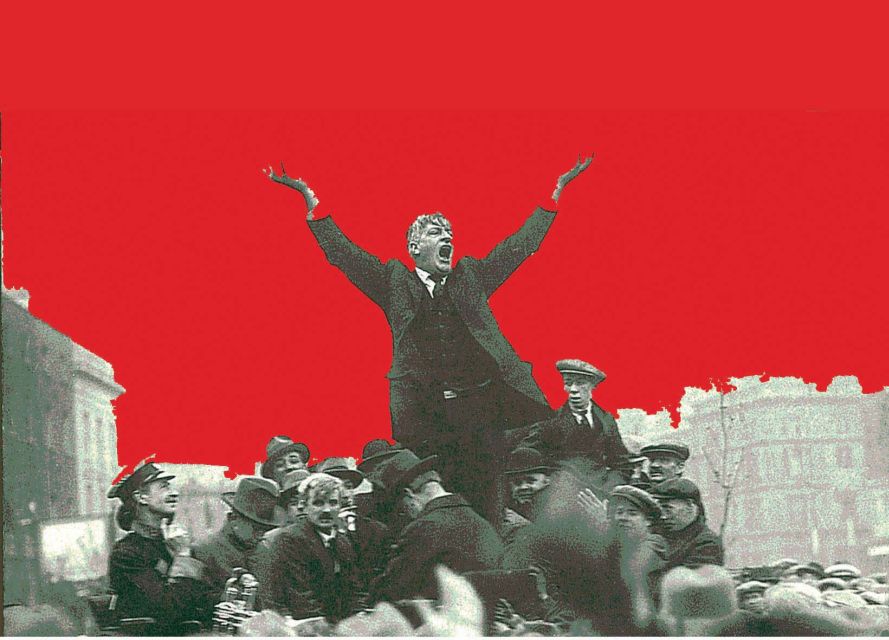
- Major Irish turning points get connected clearly, including the American and French revolutions, the Potato Famine, the 1916 Rising, and the War of Independence
- The walk also tackles modern context, including the Northern Ireland Peace Process
- You get an award-winning, fast-moving 2-hour orientation for $22, with entrance fees included where required
A 2-Hour Dublin Timeline That Starts With Real Places
This tour works because it treats Dublin like a living textbook. You do not just hear dates in the abstract. You stand in front of recognizable landmarks and you get the reasons those places mattered, whether the topic is rebellion, famine, or modern politics.
It is also built for people who want history but do not want a lecture. The guides bring a performance-style delivery that keeps the energy up. Names show up again and again in the guide line-up, like Jodie, Colm, Daragh, Eoin, Tommy, Nate, Grace, and Jody Fitzpatrick, and multiple guides lean into humor and storytelling. One guide even adds songs at points when the story calls for it, which makes the timeline feel less like memorizing and more like remembering.
The other big win is that you get a broad arc. You will hear how major events connect, including the influence of the American and French revolutions, the Potato Famine, the 1916 Rising, and the War of Independence. Then you move toward modern-day Dublin and the effects of the Northern Ireland Peace Process.
More Historical Tours in Dublin
- Dublin Historical Centre Food Tour with 8 Food Tastings & Drinks
★ 5.0 · 1,718 reviews - 2-Hour Historical Walking Tour from Dublin
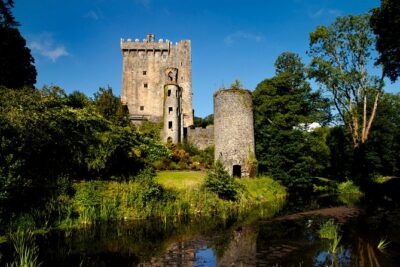
★ 5.0 · 875 reviews - Dublin to Cork, Blarney Castle & Cóbh Heritage Centre by train
★ 4.5 · 510 reviews
Getting Oriented Fast: Start at Trinity’s Front Gate and Walk the Center
Your tour meets at the Henry Grattan Statue, directly opposite the front gate of Trinity College, Dublin. The guide wears a lanyard or badge labeled Authenticity Tours, so you will be able to spot them quickly even if Dublin is loud and busy.
From there, the walk loops back to the same meeting point at the end. That simple “start and finish in one place” setup matters. It means you can plan lunch or your next stop without playing transportation chess later.
Because this is a 2-hour tour, pacing is part of the deal. You will cover several major sites and hit key themes, but you will not have endless time at each corner. If you love lingering, taking photos, and reading every plaque, you might wish it had more minutes. If you want an efficient overview that you can build on during the rest of your trip, the format is spot on.
Dublin Castle: When Power, Protest, and Politics Share the Same Walls
Dublin Castle is one of the most useful anchors in the whole city. Even when you are just outside, it gives you a physical sense of how authority showed up in Dublin for centuries. On this walk, the castle helps the guide connect Irish history to the feeling of control, administration, and conflict.
You also get an important theme through this stop: how major historical shifts did not happen in isolation. The story line ties into uprisings and resistance, including the 1916 Rising and later movements tied to independence. The guide also brings in earlier influences, like the way revolutionary ideas spread and took root, including references to the American and French revolutions.
One practical note: entrance fees are included as per the itinerary, but the State Apartments in Dublin Castle are not included. So you can expect a guided experience that focuses on the parts that are ticketed in the plan, without assuming you will tour the State Apartments too.
Temple Bar: City Character, Not Just a Tourist Strip
Temple Bar is famous for a reason. It is central, lively, and easy to picture in your mind. On a history walk, that matters, because the guide can use a place people actually visit to explain how Dublin has changed over time.
Instead of treating Temple Bar as a separate “fun district,” the tour uses it as a stage for context. You can expect to talk about how Dublin society evolved and how big events reshaped daily life, from earlier upheavals through the 20th century and into modern changes. The guide’s style helps here. Several guides are known for keeping the flow conversational, answering questions as they come up, and tying the story back to what you are seeing in front of you.
This stop is also one reason the tour feels like more than a checklist. The route helps you understand how history lives in plain sight. You see the street-level Dublin that visitors walk through, and the guide puts the “why” behind it.
More Walking Tours in Dublin
- Dublin Highlights and Hidden Gems Guided Walking Tour
★ 5.0 · 6,020 reviews - Dublin: Highlights and Hidden Gems Walking Tour
★ 4.9 · 2,140 reviews - 1916 Rebellion Walking Tour
★ 5.0 · 1,605 reviews - 90 Minute Dublin Walking tour and Sightseeing tips
★ 5.0 · 916 reviews
City Hall and the Road to Independence and Peace
City Hall is where the tour’s modern political thinking starts to make more sense. It is a natural place to talk about governance, public life, and how nations define themselves after conflict.
This is also where the story starts to feel like it is moving toward the modern era. The tour covers key turning points like the 1916 Rising and the War of Independence, and then you shift toward the Northern Ireland Peace Process. That modern element is important. A lot of Dublin history walks can feel stuck in old wars. This one tries to bridge from the major upheavals to what changed in the present day.
What I like about that approach is that you finish the tour with context, not just trivia. If you later read about Northern Ireland, or you hear politicians reference the peace process, you will recognize the thread instead of feeling like the topic came from nowhere.
Medieval City Streets: The Small Details That Make History Stick
After the major landmarks, the tour roams through the Medieval City. This is the part that turns abstract history into something you can almost touch.
When you walk through medieval streets, the guide can explain how Dublin developed, why particular areas mattered, and how later tragedies and conflicts played out in a city that already had deep roots. This section also gives the guide room to point out smaller pieces of evidence. One highlight mentioned in the guide experience includes spotting physical traces of conflict, like bullet holes, where the city itself becomes a kind of document.
You also get a clearer sense of why the bigger events mattered. The Potato Famine, for example, is not just a fact to memorize. It is the kind of event that changes population, politics, and social life for generations. When the guide connects that kind of event back to Dublin’s older urban shape, the story lands better.
This is where you get that “I get it now” feeling that many first-time visitors want. Not by reading it, but by walking through it.
The Big Themes the Guide Threads Together
One of the strongest parts of this tour is how the guide connects major events so they feel like one story instead of a pile of separate chapters. The tour includes:
- The influence of the American and French revolutions, explained in a way that shows why ideas travel
- The Potato Famine, framed as a major turning point with long consequences
- The 1916 Rising, placed in the bigger struggle for political change
- The War of Independence, so you see how the story progresses
- The Northern Ireland Peace Process, bringing you up to modern context
The best guides do this with humor and momentum. You get facts and dates, yes, but you also get explanations that help you place them. Some guides even lean into a more actor-like approach, which can make the story feel less like a classroom.
That last point matters if you are history-faint or history-fearful. The tour is not afraid to include lots of names and dates, but it tries to make the timeline understandable and memorable.
Comfort, Hearing the Guide, and What to Bring
This is a walking tour in the center of Dublin. You do not need hiking gear, but you do need comfort. One tip that comes up again and again is to bring good walking shoes. Two hours on city pavement adds up fast, especially when you are stopping often for explanations.
Dublin can also be noisy, and English is the tour language. The good news is that the guide delivery is loud enough that you can usually follow along clearly even in a busy area. Still, if spoken English is tough for you, this is the kind of tour where listening attentively will make the experience far better.
Group size can affect your ability to hear and ask questions. Several people describe a small-group feel, which usually means you get more personal interaction and better chances to ask follow-ups without getting lost in the crowd.
Value Check: Is $22 Worth It for 2 Hours?
At $22 per person for a 2-hour guided walk, this is priced for value. The biggest reason is that you are paying for two things at once: a live local guide and entrance fees as per the itinerary.
You should also notice what is not included. Entrance to the State Apartments in Dublin Castle is not part of this tour. That is not a deal-breaker, but it helps you set expectations. Think of this as a guided route through major sights plus the entry points planned for the walk, not a full palace-level deep dive.
If you want a first-time orientation to Dublin’s core historical highlights and you like learning while you walk, the price fits the experience. If you want long museum time, quiet rooms, and slow reading, you may want to add a separate Castle visit later where you can choose your own pace.
Who Should Book This Dublin History Walk?
Book it if you fit one of these profiles:
- You are visiting Dublin for the first time and want a clear history map fast
- You like stories with humor, with guides who make the timeline feel alive
- You want the big Irish milestones, including the Famine, the 1916 Rising, independence, and modern peace context
- You prefer a walk-and-learn format over a sit-down lecture
You might skip it if you want long inside visits, heavy reading time, or you are looking specifically for the State Apartments in Dublin Castle.
Should You Book It?
Yes, I would book it for most first-time Dublin visitors. It gives you a useful historical backbone, it hits major landmarks in just 2 hours, and the guide style tends to make the material easy to follow. The only strong reason to hesitate is if you need lots of time inside Dublin Castle State Apartments, because that part is not included.
If your goal is to understand how Dublin became Dublin, this is a practical way to start, then build from there with your own exploring.
FAQ
How long is the guided walking tour?
It lasts 2 hours.
How much does the tour cost?
The price is $22 per person.
Where do I meet the guide?
Meet your guide at the Henry Grattan Statue opposite the front gate of Trinity College, Dublin. The guide will wear an Authenticity Tours lanyard or badge.
What sites will the tour cover?
You will see Dublin Castle, Temple Bar, City Hall, and you will roam through the Medieval City.
What is included, and what is not?
Entrance fees as per the itinerary are included, along with a local guide. Entrance into the State Apartments in Dublin Castle is not included.
Is the tour in English, and is it wheelchair accessible?
Yes, the live tour guide is in English, and the tour is wheelchair accessible.
Can I cancel for a refund?
Yes. Free cancellation is available up to 24 hours in advance for a full refund.
Newest Dublin reviews
- Dublin: Traditional Pubs Walking Tour with Local Guide★ 4.9 · 112 reviews
- Dublin: Cliffs of Moher, Ennis, & Bunratty Castle Day Tour★ 4.9 · 113 reviews
- Meet and Eat Dublin: Dublin Food Walking Tour★ 5.0 · 115 reviews
- Small Group-Dublin Walking Tours★ 5.0 · 116 reviews
- A Silent Disco Walking Tour★ 5.0 · 118 reviews
- 3-Day Southern Ireland Tour Including Galway and Kerry from Dublin★ 4.5 · 123 reviews
- Dublin: Guinness Storehouse Connoisseur Experience★ 4.8 · 123 reviews
- From Dublin: Wicklow, Glendalough, Waterfall & Sheepdog demo★ 4.5 · 126 reviews
Historical Tours, compared.

Dublin Historical Centre Food Tour with 8 Food Tastings & Drinks
Read our review →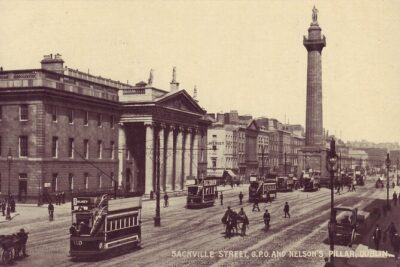
Dublin to Cork, Blarney Castle & Cóbh Heritage Centre by train
Read our review →
Jeanie Johnston Tall Ship Irish Famine History Tour
Read our review →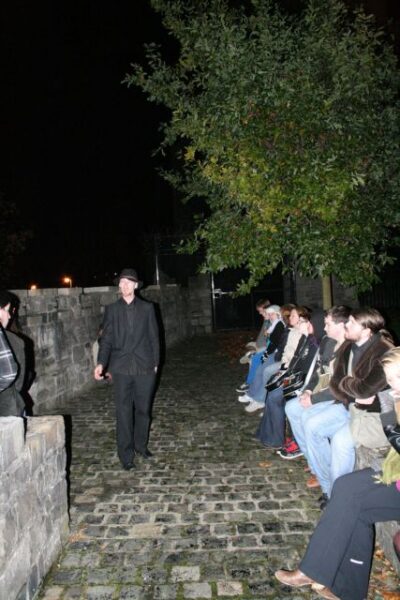

Deliciously Dublin: The Artisan Donut Walking & History Tour
Read our review →
Browse the lists this tour appears in