

Reviewed · WALKING TOURS
Dublin Walking Tour: Top 10 highlights
This tour is interesting because it turns Dublin’s famous sights into a single, walkable story, told at street level. I like the tight 2-hour format because it helps you get your bearings fast without feeling rushed. I also like the mix of major icons plus a few shorter side stops that add variety, including a stop tied to Guinness Heritage.
The only real drawback to plan for is that the explanations happen outside only. You’ll see the buildings up close from the sidewalk, but you will not go inside cathedrals or heritage sites. Also, the live guide is French, so if you need English, you may want to double-check options when booking.
Key highlights you’ll notice right away
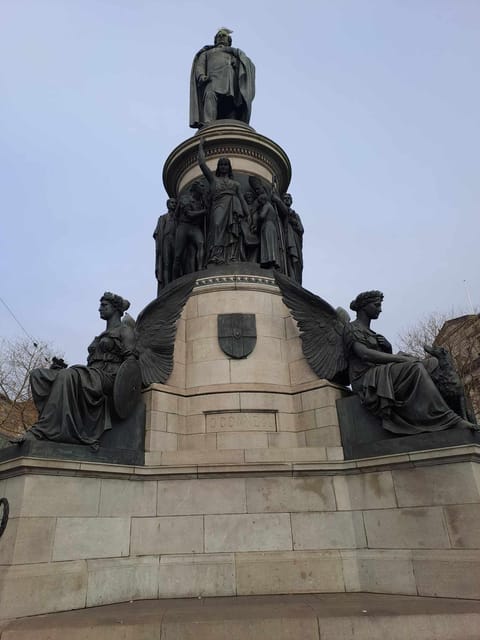
- A street-level guide that connects what you see to what it means
- Big sights in 2 hours, from the Spire to Trinity College
- River Liffey moments, including Ha’penny Bridge views
- Cathedrals and castles from the outside, with clear context before you move on
- Temple Bar and O’Connell Street, so you feel Dublin’s public-life energy
- A few unnamed stops, which usually means short detours for extra stories and photos
A 2-hour Dublin story you can follow on foot
Dublin can feel big, even when you stay central. This walking tour helps you make sense of it quickly. You’re not trying to “do everything.” You’re getting a smart route that connects the dots between religion, politics, industry, and everyday street life.
What makes this kind of tour genuinely useful is the way it frames each stop before you move on. If you only look at buildings, Dublin can feel like pretty facades. With a guide giving context outside the doors, you start to notice the details that matter, like how certain streets rose in importance, or why a landmark was built where it was.
It’s also a good length. Two hours is long enough to cover a lot, but short enough that a sprained ankle and a grumpy mood still have time to recover.
More Walking Tours in Dublin
- Dublin Highlights and Hidden Gems Guided Walking Tour
★ 5.0 · 6,020 reviews - Dublin: Highlights and Hidden Gems Walking Tour
★ 4.9 · 2,140 reviews - 1916 Rebellion Walking Tour
★ 5.0 · 1,605 reviews
Starting at the Spire, and why that matters
You meet at the foot of the Spire, on the GPO side. That’s not random. The Spire is a clean visual anchor for central Dublin, and it puts you right where several of the city’s main story lines cross.
From here, you can do two helpful things fast. First, you can locate the big idea of the route: you’ll be working your way through the core of town, then ending back near the start area. Second, you’ll understand which streets are more than just streets. In Dublin, major roads often act like history highways.
If you’re the type who likes to orient yourself with landmarks, this is the point where you’ll start feeling confident. You’ll know where you are, and you’ll know what you’re heading toward next.
GPO Museum stop: a quick hit of modern Irish history
The tour includes a stop at the GPO Museum. Even though you won’t go inside, the area is still powerful. It’s tied to Ireland’s modern political story, and that makes the “outside-only” approach work well. You’re learning the significance while standing in the right place to picture what happened.
This is one of the stops that helps you “read” Dublin instead of just watching it. After a guide explains the context, you’ll start noticing how history is often layered over everyday life. A building can be both a landmark and a reminder that the city has kept changing.
Practical tip: if you’re visiting in cool or rainy weather, this is the kind of stop where you can stand with the group, listen, and recharge for the next walk segment.
O’Connell Street: the city’s main stage
Next comes O’Connell Street. This broad, central thoroughfare is where Dublin’s public life shows up. It’s where you’ll often see the most street movement, the most people heading somewhere, and the most obvious “this is the center” feeling.
A guide here is especially valuable. Without context, O’Connell Street can read as just another busy avenue. With history added, it becomes a stage where you understand how the city reorganized itself over time.
Look for how buildings and street width shape the flow of people. In a walk like this, that matters because it affects your sense of pace and direction. You’ll move as a group, then catch your bearings again when the next major landmark appears.
If this is not quite it, Dublin also does these:
- Dublin to Cliffs of Moher, including Wild Atlantic Way and Galway
★ 5.0 · 23,331 reviews - From Dublin: Cliffs of Moher, Burren & Galway City Day Tour
★ 4.8 · 18,888 reviews - Dublin: Guinness Storehouse Entry Ticket
★ 4.6 · 16,863 reviews - Dublin to Cliffs of Moher, Burren, Wild Atlantic Way, Galway Tour
★ 5.0 · 12,924 reviews
Ha’penny Bridge and the Liffey: where the route gets visual

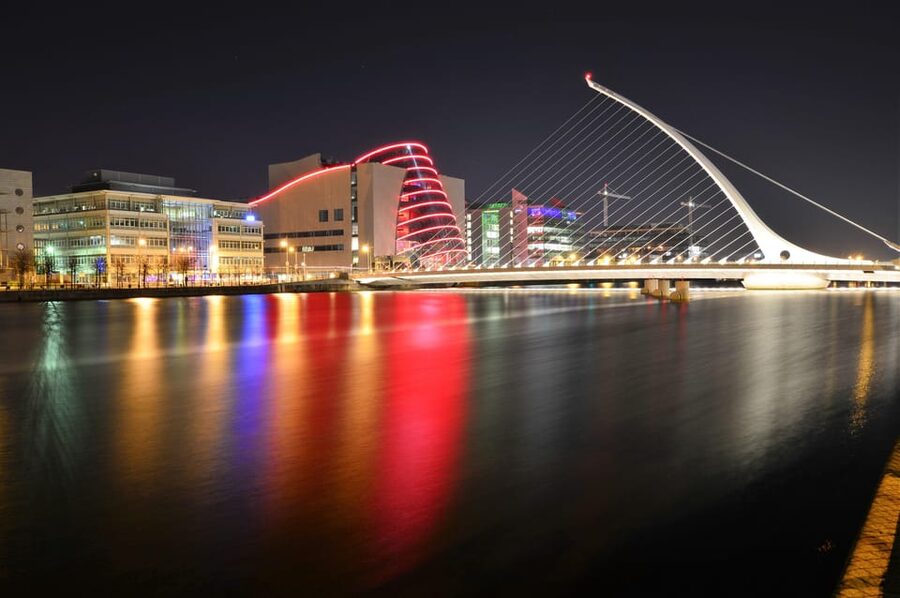
Then you reach Ha’penny Bridge. This is one of those Dublin moments where the river suddenly stops being background and becomes the centerpiece. You’re seeing the water, the bridges, and the way the city’s layout is tied to geography.
The tour also includes Liffey and its bridges as a theme, and Ha’penny Bridge is the main named anchor for that. Even outside-only, you can understand the big idea quickly: bridges aren’t just crossings. They helped connect neighborhoods, commerce, and daily movement.
Here’s how to make this stop work for you. Take a few seconds to scan the river line, then look back toward where you came from. That quick mental map will help you later when you’re wandering on your own.
Also, expect photo lines to be short but frequent. You’ll want to move with the group, but you’ll still get a chance to grab a couple of angles without stressing.
Temple Bar District: where Irish culture shows up in plain sight
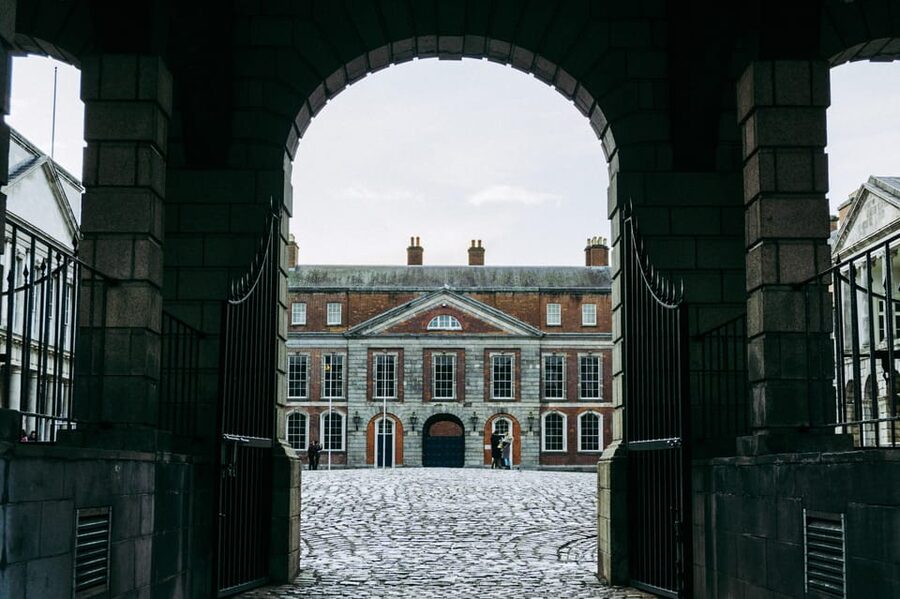
You’ll spend time at Temple Bar District. This area is known for its street atmosphere, and in a guided walk, it’s more than a location for drinks. It’s a window into how Dublin presents itself to locals and visitors alike.
A guide helps you separate two things:
1) what the area is today, and
2) why it gained its identity.
That matters because Temple Bar can be easy to over-simplify. If you only treat it as a nightlife zone, you miss the cultural layering. If you understand its role in the city’s social scene, it feels more grounded.
Practical note: wear comfortable shoes. Temple Bar can mean slower walking for crowd reasons. Two hours is still manageable, but you’ll feel the street energy more than on quieter segments.
Christchurch Cathedral from the street: religion plus civic power
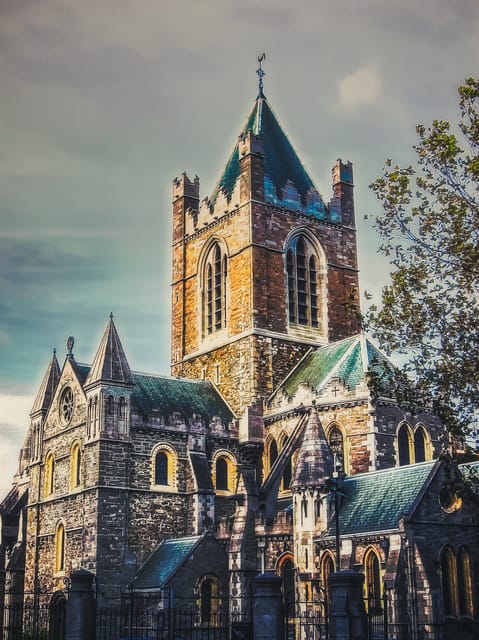
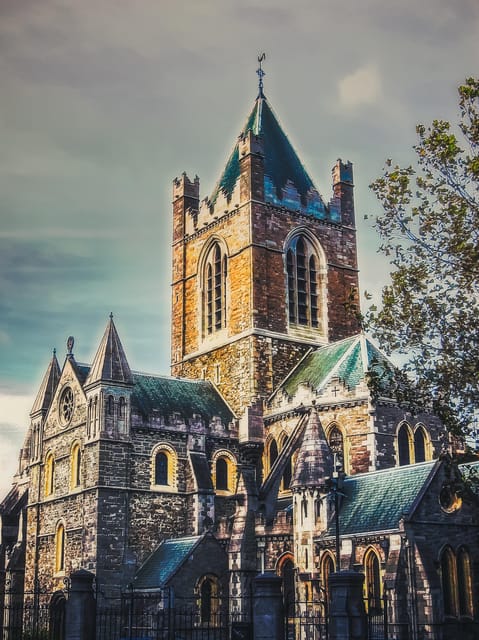
You’ll reach Christchurch Cathedral next. Since the tour explains landmarks from outside, you’ll want to let the guide’s framing do the heavy lifting. From the outside, cathedrals can look “old and impressive,” but context turns that into understanding.
Think of it this way. A cathedral is not only a religious building. It historically links power, community identity, and city development. When a guide gives you the story before you move on, you start noticing how the location and design communicate importance.
Look at how the cathedral sits in the surrounding street grid. Even on a short walk, you can see how a major religious site influences the movement and placement of other structures nearby.
Dublin Castle: medieval Dublin without the ticket lines
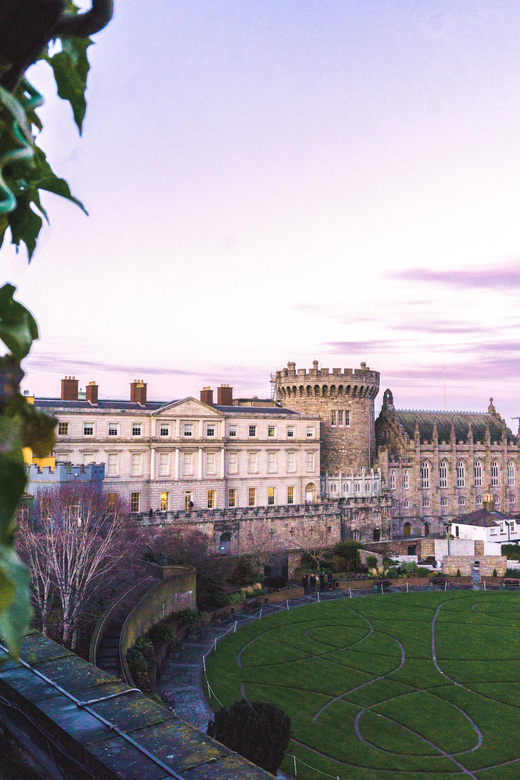
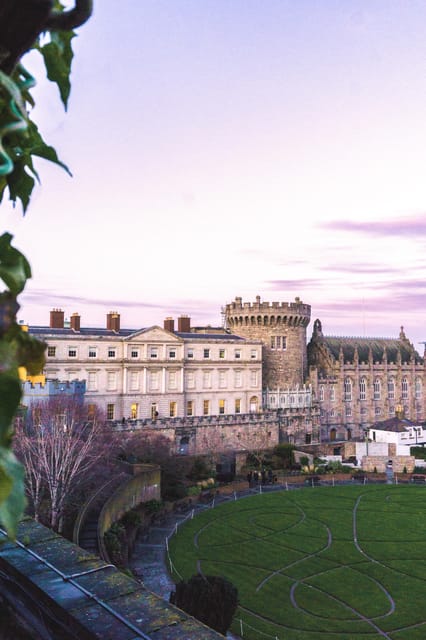
Then it’s Dublin Castle and the theme of Medieval Dublin. This is a great stop for the outside-only format. Castles are made for street viewing. You don’t need to enter to understand scale, presence, and symbolism.
A good guide turns “big stone building” into a timeline you can follow. You’ll learn what role it played and why it became tied to governance and the city’s political life.
Practical tip: stand back for a moment before you commit to the group’s position. That helps you see the full frontage instead of just the nearest wall. It will make the guide’s explanation easier to visualize.
St Patrick’s Cathedral: a calmer feeling in the middle of the city
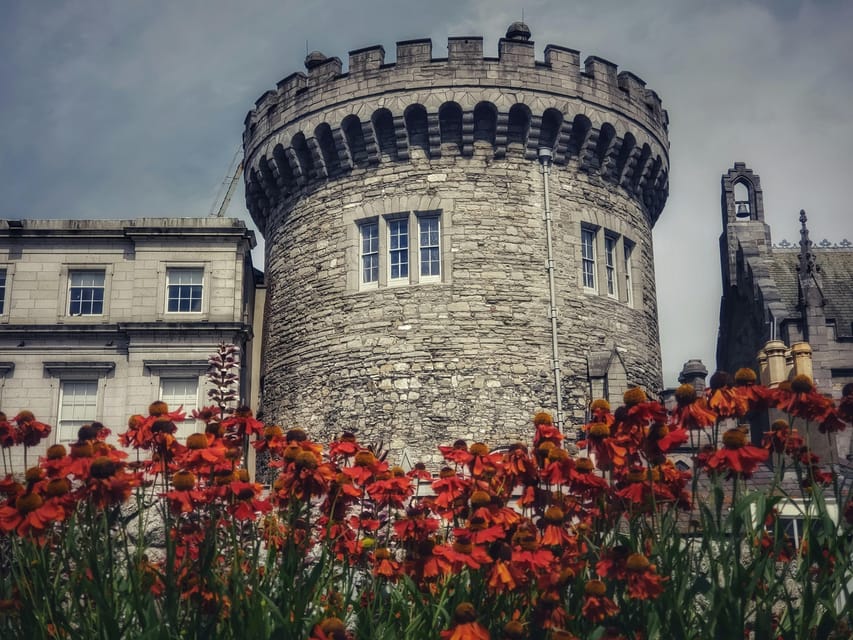
You finish this cathedral stretch at St Patrick’s Cathedral. If Christchurch hits you with a strong sense of civic religious identity, St Patrick’s often feels more open and reflective from street level.
Again, you’re not going inside, but outside viewing works well. You can focus on the structure, the surrounding space, and the way the cathedral anchors a chunk of the city.
This stop also helps balance the route. After city-center noise and busy streets, a cathedral stop can reset your attention. You’ll listen differently when the space feels more still.
Trinity College Dublin: the end point that makes the whole walk click
The route brings you toward Trinity College Dublin and finishes back near the starting area. Trinity College is a smart final stop because it connects the idea of Dublin as a living, modern city with older institutions that shaped learning and culture.
If you liked learning “why” behind the buildings, this is where that habit pays off. A guide’s explanations earlier help you read Trinity as more than an attractive campus. You start noticing how the city’s identity keeps evolving, even when landmarks stay.
Practical tip: before you leave, take a moment to scan the area visually. If you plan to explore on your own after the tour, this is where you can most easily turn your notes into a mini route for the rest of your day.
The route’s unnamed stops: what to expect and how to use them
There are a few spots described more generally as hidden or secret stops. Since their exact names are not specified, your best strategy is attitude and attention.
Here’s what you can count on based on the tour structure:
- They’re likely short segments where the guide adds extra context tied to what you’re seeing.
- They’re there to break up the “major landmark parade” so you don’t stop learning after the first few icons.
- They’re usually timed to give you a useful viewpoint for the next section.
So, don’t treat these as filler. Treat them as waypoints. When the guide points something out, listen like you would at any named attraction. Those unnamed stops often create the link that makes the full route feel like a connected story.
What’s included in your $54, and where the value really comes from
The price is $54 per person for a guided walking tour lasting about 2 hours. That cost can feel high or fair depending on what you compare it to.
Here’s the value logic for this kind of tour:
- You’re paying for a live guide who provides explanations while you walk.
- You get a concentrated slice of central Dublin without having to plan a route day-of.
- You’re covering a lot of famous Dublin locations, which would take time to connect on your own.
Also, because the tour is outside only, the experience is efficient. You’re not spending part of your payment sitting in lines or coordinating timed entry. Instead, you’re using that time for understanding, viewpoints, and street-level reading.
One thing to keep in mind: you are not going inside the buildings listed. So if your top priority is interior access, this is not the ticket for that. But if your top priority is orientation and context, it’s a strong use of your time.
Guide-led history in French, and how to make that work
The live tour guide is French. That’s a major practical factor. If you speak French comfortably, you’ll get the most out of the explanations. If French is just a “somewhat,” you can still enjoy the visual route, but you may miss nuance.
In past groups, a guide named Matthew has been associated with an upbeat style, answering plenty of questions, and keeping the pace thoughtful. A Belgian guide delivering lots of facts and dates has also been mentioned. The theme across comments is clear: the guide matters, and you’re not stuck with silence and a generic script.
My advice: if you have specific questions about Irish history or Dublin’s architecture, jot them down before you start. A good guide will give you a better answer when you ask something concrete.
Who this tour is best for
This works especially well if:
- you want a fast orientation in central Dublin
- you like history explained on the street, not from a museum label
- you prefer a short walk over spending your day in multiple separate attractions
It may be less ideal if:
- you need English-language narration and French is a barrier
- you want to enter buildings, rather than see them from outside
- you’re traveling with mobility limits but still want a walk, since even wheelchair accessible routes require some street movement
If you’re comfortable walking in crowds and you bring good footwear, you’ll probably find this tour an efficient way to start your Dublin trip.
Should you book this Dublin highlights walking tour?
I think it’s worth booking if you want Dublin in one clean, organized pass, with a guide explaining what you’re seeing as you go. The outside-only format is actually a plus for most people, because it keeps the timing simple and helps you connect the landmarks into one story.
Book it if:
- you want to hit the Spire, O’Connell Street, Ha’penny Bridge, Temple Bar, cathedrals, Dublin Castle, and Trinity College without planning a route from scratch
- you value guided explanation over self-guided guesswork
- you like asking questions and hearing the answers in the moment
Skip or rethink it if:
- your priority is interior visits and timed entry experiences
- French-language guiding is not workable for you
FAQ
FAQ
How long is the Dublin highlights walking tour?
It lasts about 2 hours.
How much does the tour cost?
The price is $54 per person.
Where do I meet the guide?
You meet at the foot of the Spire, on the GPO side.
Where does the tour end?
The activity ends back at the meeting point area.
Is the tour inside the buildings?
No. Explanations are provided outside, and the tour does not include visits inside the buildings.
What are some of the main stops?
Key stops include the Spire, GPO Museum, O’Connell Street, Ha’penny Bridge, Temple Bar District, Christchurch Cathedral, Dublin Castle, St Patrick’s Cathedral, and Trinity College Dublin.
What language is the tour guide?
The live tour guide speaks French.
Is the tour wheelchair accessible?
Yes, the tour is wheelchair accessible.
What should I bring?
Bring comfortable shoes and weather-appropriate clothing.
Is there free cancellation?
Yes. You can cancel up to 24 hours in advance for a full refund.
Newest Dublin reviews
- Giants Causeway with Private Chauffeur Day Tour from Dublin★ 5.0 · 23 reviews
- Dublin Private Walking Tour | 3 hour Highlights & Hidden Gems★ 5.0 · 23 reviews
- Taste traditional Irish food in the heart of Dublin★ 5.0 · 24 reviews
- From Dublin:Cork,Cahir Castle,Rock of Cashel Tour in Spanish★ 4.5 · 24 reviews
- 4 Hour Private Dublin City Sightseeing Tour ( 1-7 People)★ 5.0 · 25 reviews
- Scogliere di moher e Galway in italiano★ 4.5 · 25 reviews
- Dublin: Forge Your Own Silver Claddagh Ring Workshop★ 5.0 · 25 reviews
- Luggage Storage Dublin★ 5.0 · 26 reviews
Walking Tours, compared.
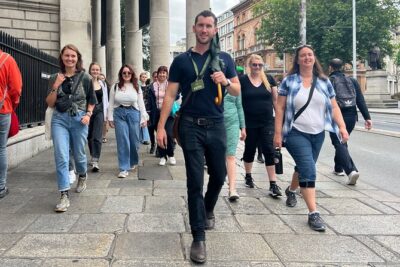
Dublin Highlights and Hidden Gems Guided Walking Tour
Read our review →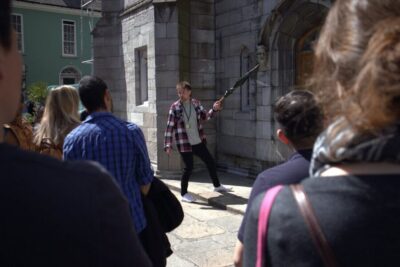


90 Minute Dublin Walking tour and Sightseeing tips
Read our review →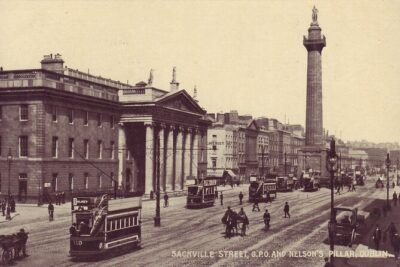

Historical 2-Hour Guided Walking Tour of Dublin
Read our review →
Dublin Traditional Irish 3 Course Meal Walking Tour with Local
Read our review →
Browse the lists this tour appears in