
Reviewed · HISTORICAL TOURS
Dublin: Macabre History Walking Tour
Dublin has plenty of history, but this tour adds a second track, the darker one. I love the way the guides turn creepy episodes into a story you can picture, and I also like that you get tied to real city landmarks like the Statue of Cuchulainn’s Death, not just vague spooky tales.
One consideration: if you want only full-on gore, this can feel more like chilling and atmospheric storytelling than maximum blood and guts. The tour is also not suitable for children under 18.
Key things to know before you go
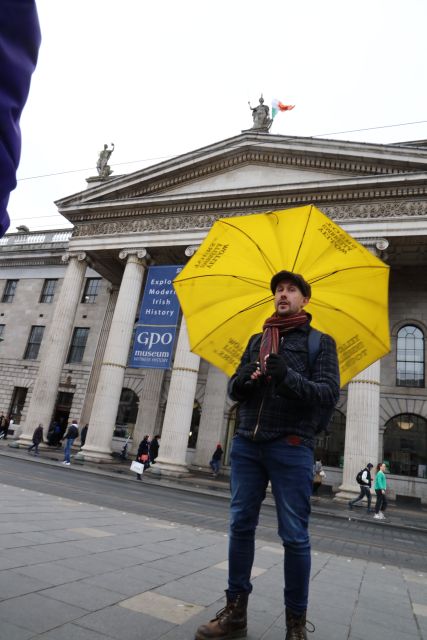
- Meeting at the Spire with a yellow umbrella on O’Connell Street, so you can find the group fast
- Two hours of walking that mixes the old city center with both sides of the river
- Cuchulainn, grave robbing, and public executions as recurring themes, not random one-offs
- Macabre set pieces like a legless serial killer tale and man-eating rats
- Guides like Peter and Rob earn praise for humor, pacing, and answering questions
- Ends back at the meeting point near where you started, keeping logistics simple
Meeting at the Spire, then getting oriented fast
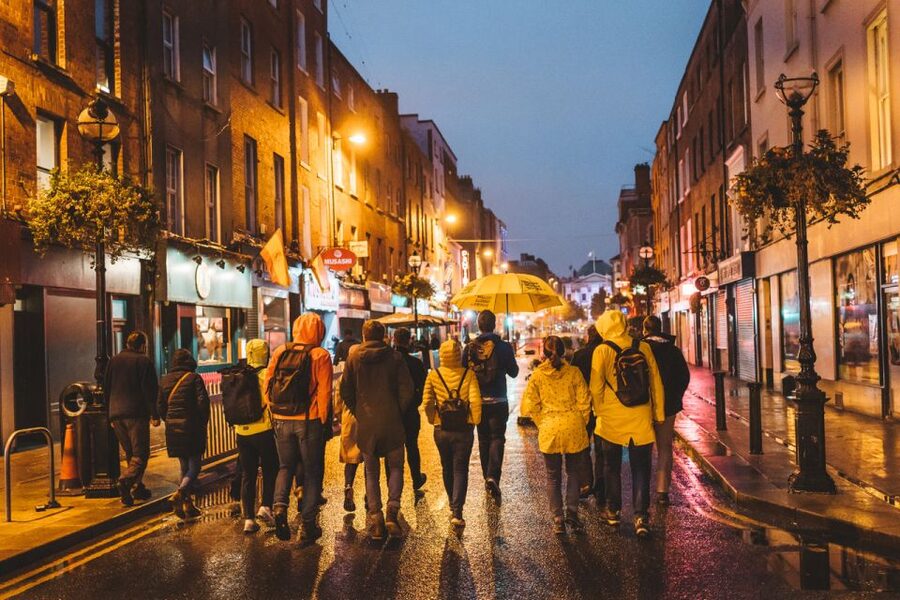
This tour starts in the middle of O’Connell Street, beside the Spire, the big needle. You meet at street level and you’re told to look for the yellow umbrella. It sounds tiny, but meeting location matters on a walking tour. You do not want to spend the first 15 minutes hunting the group while everyone else is already moving.
Also, do a quick scan. One practical heads-up from past experiences is that there can be more than one yellow umbrella around that area. When you arrive, stand near the Spire area and match the umbrella, then watch for your guide to gather the group.
From there, you’re set up for an easy rhythm: walk, stop, listen, walk again. The whole experience is structured so you’re not stuck in one place for long stretches.
More Historical Tours in Dublin
- Dublin Historical Centre Food Tour with 8 Food Tastings & Drinks
★ 5.0 · 1,718 reviews - 2-Hour Historical Walking Tour from Dublin
★ 5.0 · 875 reviews - Historical 2-Hour Guided Walking Tour of Dublin
★ 4.7 · 865 reviews
The overall vibe: macabre storytelling with humor and real street locations
This is a guided walking tour focused on Dublin’s macabre history. That means the topics are about death and fear, but the tone is not just grim. Guides get called out for being personable, funny, and clear, with stories delivered in a way that keeps the pace moving.
You’ll roam through lesser-known parts of Dublin’s old city center on foot, including stops that connect to themes on both sides of the river. You are not just hearing legends in the abstract. You’re hearing them with street context, which is what makes it stick.
Two names come up a lot in the reviews: Peter and Rob. People describe them as strong storytellers who can act out scenes, blend humor with history, and still answer questions without making you feel rushed.
The 2-hour walk: how the story unfolds from Cuchulainn to the cathedral
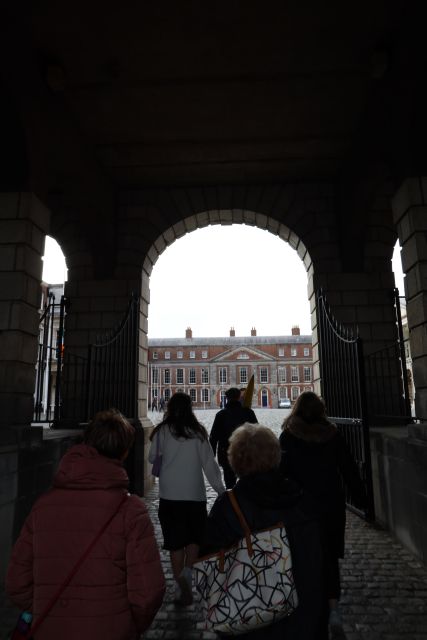
You’ll get a steady progression through different eras of Dublin’s darker past. The tour lasts about 2 hours, and it ends back at the meeting point near the Spire.
Here’s the narrative arc you can expect in plain terms:
1) Start near O’Connell Street and the Spire, then head into older city areas.
2) You’ll hear the tale of the Death of Cuchulainn, tied to the city’s public landmark connected with it.
3) The tour shifts into darker 19th-century themes, including the story of grave robbing alongside a city mortuary.
4) You move through spots close to older city walls and get spooky episodes: mummified corpses, a legless serial killer, and more.
5) The tour also includes references to medieval-era fear, like quarantines, plus public executions as part of how Dublin controlled and displayed punishment.
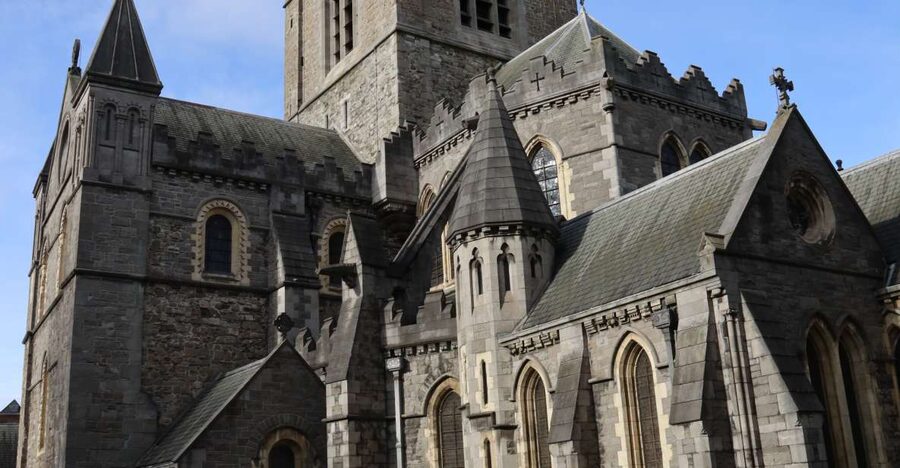
6) Near the end, beside a cathedral, you hear about a famous brothel keeper and her untimely death by fire at the stake.
Even without a formal stop list in your hands, the tour is built to feel like one continuous walk, like a guided circuit through Dublin’s “why was everyone terrified back then?” question.
Cuchulainn’s Death and the statue moment you shouldn’t rush past
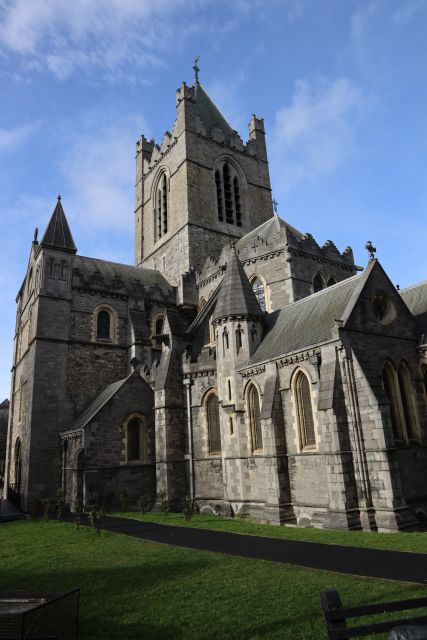
One of the tour’s biggest anchors is the Death of Cuchulainn, the story of a mighty warrior and a raven’s brutality. You’ll hear it as a dramatic episode, but you’ll also connect it to a physical reminder in the city through the Statue of Cuchulainn’s Death.
This is the first place on many tours where people tend to go from listening passively to actually looking around. When you’re standing near the kind of landmark your guide is talking about, the story stops being just words. It turns into a way of reading the city.
If you’re the type who likes myth, folklore, and how those stories get “stamped” onto real places, this stop is worth your attention. Slow down, look up, and let the guide set the scene.
More Walking Tours in Dublin
- Dublin Highlights and Hidden Gems Guided Walking Tour
★ 5.0 · 6,020 reviews - Dublin: Highlights and Hidden Gems Walking Tour
★ 4.9 · 2,140 reviews - 1916 Rebellion Walking Tour
★ 5.0 · 1,605 reviews - 90 Minute Dublin Walking tour and Sightseeing tips
★ 5.0 · 916 reviews
Grave robbing near the mortuary: when fear had a business model
Another standout topic is 19th-century grave robbing beside a city mortuary. This part hits a specific kind of dread, the kind that comes from motive. It is not only about death. It is about what people did after death, and how bodies became part of an ecosystem.
Even if you have zero background in Dublin’s medical or burial practices, you’ll understand the emotional logic right away: if something about death felt unsafe, then every public ritual around it had added tension.
I like this episode because it explains why “macabre history” is not just horror movie material. It’s also about how communities function when trust breaks down around burial, bodies, and public institutions.
Close to old city walls: mummies, quarantines, and the fear of contagion
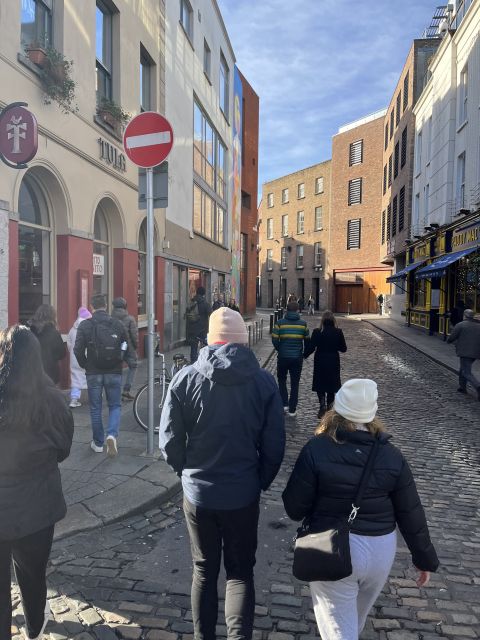
The tour mentions sections close to Dublin’s old city walls, and those are perfect for stories about limits and control. You’ll hear about medieval quarantines and the kind of public response that happens when disease threatens a whole community.
This theme also ties into why medieval and early modern fear is so effective as storytelling. You can see the logic in your head. Streets tighten. People isolate. Authorities manage. And then the rumors do the rest.
You’ll also get a creepy “corpses and preservation” thread, including mummified corpses. The point is not shock for shock’s sake. It’s how people turned the boundary between life and death into something they could stare at, label, and fear.
Public executions and the city as a stage for punishment
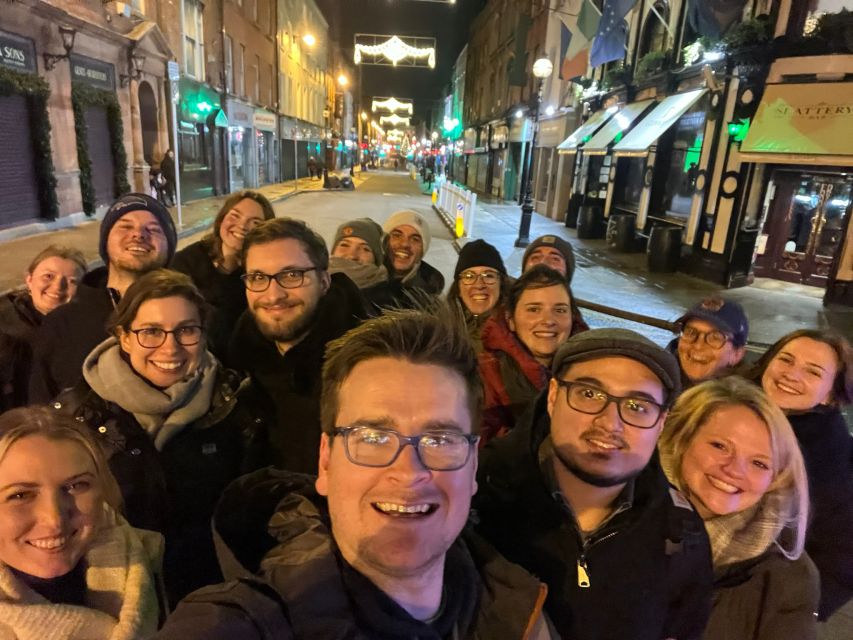
You’ll hear about public executions, and the tour treats them as a window into how Dublin projected power in public. Think of it as punishment with an audience. Back then, these weren’t hidden events. They were demonstrations.
I like how this part usually lands: it helps you understand why the streets themselves feel charged with history. When you hear how crowds gathered, how authorities staged the moment, and how the city “performed” justice, you stop seeing the old streets as just scenery.
Legless serial killer and man-eating rats: the street legends section
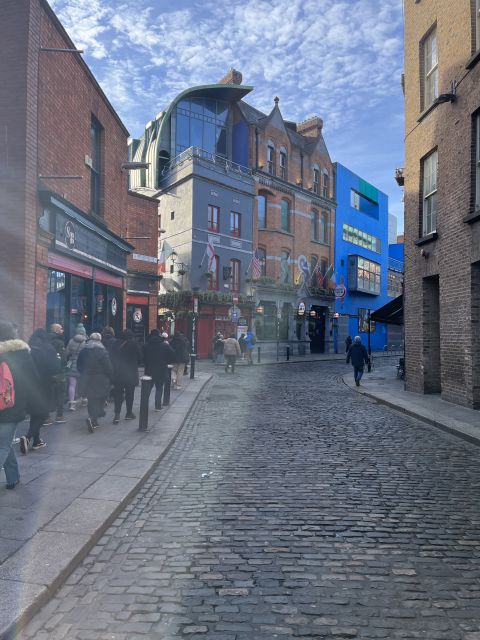
This is where the tour leans hardest into what you might call the “urban monster files.” You’ll hear about the legless serial killer and the theme of man-eating rats.
Now, a practical note: stories like these can be legendary or exaggerated, and the tour doesn’t ask you to treat every detail like a courtroom transcript. What matters is how these tales reflect real anxieties, like vulnerability in the dark, fear of the unseen, and the way rumor spreads faster than facts.
If you love macabre folklore, this portion is great. If you want everything pinned down with heavy documentation, you may wish the tour offered more explicit sourcing in the moment. Still, the delivery is often praised as entertaining, clear, and emotionally gripping.
The brothel keeper by the cathedral: a final jolt of tragedy
Near the end, beside the cathedral, you’ll hear about Dublin’s most famous brothel keeper and her death by fire at the stake.
This closer works well because it ties together several tour themes at once. Public scandal. Public punishment. A life that became a story. Then a dramatic end that turned into a warning tale.
It also gives your walk a kind of “wrap,” so you finish with a strong image and a final story note instead of ending on a random street corner.
Guides matter: why Peter and Rob get called out so often
What really drives the reviews is the guides’ performance. Names that come up again and again are Peter and Rob.
Here’s what people consistently praise, in the ways that matter to you:
- Storytelling that keeps pace: no long pauses where you lose the thread
- Humor mixed with dark material: it stays watchable, not just heavy
- Clear delivery: you can follow without needing background reading
- Q and A friendliness: guides will take questions and slow down when needed
- Acting out key moments: it turns descriptions into scenes you remember
One person even described it as feeling like a VIP experience, and another said it felt not awkward even when it was only a few people. So while you should expect a walking group, the format can feel intimate when attendance is small.
Price and value: $19 for 2 hours of guided walking
At $19 per person for a two-hour walking tour, you’re paying for a guide, a route through older streets, and a prepared story structure. For a city like Dublin, that is usually good value compared with doing a similar set of stops on your own.
Two things make the price feel more reasonable:
- The tour bundles multiple themes in one circuit: Cuchulainn, grave robbing, quarantines, executions, and the rat and killer legends
- The guide quality appears to be consistently high, which matters a lot on a storytelling-based experience
If you enjoy walking tours but get bored when they turn into facts-and-dates marathons, this one is a smart alternative. It trades some academic density for story clarity and place-based drama.
Who should book this, and who should skip it
This tour is best for you if:
- You want Dublin street-level stories tied to landmarks
- You like macabre themes, urban legends, and dark chapters told with humor
- You enjoy a guide who answers questions and keeps things moving
Skip it if:
- You want a family-friendly outing. It is not suitable for children under 18.
- You need a tour that is strictly verified and clinical. Some of the macabre material works more like folklore and dread than tidy textbook history.
Also, remember it is a walking tour. You’ll want to be comfortable on your feet for two hours.
When and how to find it: practical tips for a smooth start
Pick a time when you’re not rushed. The tour is scheduled for 2 hours, and the exact start times depend on availability, so check the schedule before you plan other stops.
Your job is simple:
- Arrive near the Spire on O’Connell Street
- Find the guide under the yellow umbrella
- Start the walk from there, since the tour ends back at the same meeting point
There is no hotel pickup and drop-off, so plan to reach the meeting area on your own.
Should you book the Dublin Macabre History Walking Tour?
I think you should book it if you want a memorable Dublin experience that goes past the standard highlights. The strongest reason is the way the stories get delivered. When Peter or Rob is guiding, you’re not just hearing about death and fear, you’re learning how Dublin’s streets became stages for myth, punishment, and rumor.
I’d only hesitate if your goal is maximum gore or you need kid-friendly content. Otherwise, this is one of those tours where you finish with a head full of images and a new way to look at the city you thought you already knew.
If the idea of legless killers, rat stories, quarantines, and execution sites sounds like your kind of strange, this is worth the two hours.
FAQ
How long is the Dublin Macabre History Walking Tour?
It lasts 2 hours.
How much does the tour cost?
The price is $19 per person.
Where is the meeting point?
Meet beside the Spire (the big needle) in the middle of O’Connell Street. Look for the yellow umbrella.
Is hotel pickup and drop-off included?
No. Hotel pickup and drop-off are not included.
What language is the tour guide?
The live tour guide speaks English.
Is the tour wheelchair accessible?
Yes, it is listed as wheelchair accessible.
Is the tour suitable for children?
No. It is not suitable for children under 18.
What is included in the price?
Included is the walking tour and the guide.
What is the cancellation policy?
Free cancellation is available up to 24 hours in advance for a full refund.
Is there a pay later option?
Yes, there is a reserve now & pay later option, where you can book your spot and pay nothing today.
Newest Dublin reviews
- Dublin: Traditional Pubs Walking Tour with Local Guide★ 4.9 · 112 reviews
- Dublin: Cliffs of Moher, Ennis, & Bunratty Castle Day Tour★ 4.9 · 113 reviews
- Meet and Eat Dublin: Dublin Food Walking Tour★ 5.0 · 115 reviews
- Small Group-Dublin Walking Tours★ 5.0 · 116 reviews
- A Silent Disco Walking Tour★ 5.0 · 118 reviews
- 3-Day Southern Ireland Tour Including Galway and Kerry from Dublin★ 4.5 · 123 reviews
- Dublin: Guinness Storehouse Connoisseur Experience★ 4.8 · 123 reviews
- From Dublin: Wicklow, Glendalough, Waterfall & Sheepdog demo★ 4.5 · 126 reviews
Historical Tours, compared.

Dublin Historical Centre Food Tour with 8 Food Tastings & Drinks
Read our review →
Historical 2-Hour Guided Walking Tour of Dublin
Read our review →
Dublin to Cork, Blarney Castle & Cóbh Heritage Centre by train
Read our review →
Jeanie Johnston Tall Ship Irish Famine History Tour
Read our review →

Deliciously Dublin: The Artisan Donut Walking & History Tour
Read our review →Browse the lists this tour appears in